
Medical Tourism Marketing for Asian Clinics: Strategies That Work
Medical Tourism Marketing for Asian Clinics: Strategies That Work
Southeast Asia’s medical tourism market reached USD 5 billion in 2024 and is projected to grow to USD 34.9 billion by 2033 at a 21.47% compound annual growth rate, according to IMARC Group’s Southeast Asia medical tourism market analysis. Singapore attracted over 500,000 international patients annually following a USD 50 million government infrastructure investment in 2024. Bangkok Health Service launched comprehensive international patient packages in July 2025 offering savings of up to 70% compared to Western treatment costs. Malaysia introduced its Malaysia Year of Medical Tourism 2026 campaign in July 2025.
The opportunity is large and the competition has never been more organized. What’s changed is where the competition is being won. It’s no longer on procedure cost or accreditation status alone. International patients research extensively before they contact a clinic, and the clinic that is clearest, most trustworthy, and most accessible in the patient’s own language at every point of that research journey is the one that earns the inquiry. The tactics below reflect what’s actually working in 2025 and 2026.
What Does the International Patient’s Decision Journey Look Like?
International patients behave differently from local patients. Their information search is longer, their anxiety is higher, and their decision-making is more deliberate, according to HealthUS’s medical tourism marketing strategy guide. They’re asking questions that local patients don’t ask: Is this hospital safe? Will I receive responsible care if something goes wrong? Can I communicate with my doctor? What happens to my follow-up care when I go home?

That anxiety profile changes what content needs to do. An international patient doesn’t exit a hospital website because there isn’t enough information. She exits because she doesn’t understand the information that’s there. According to HealthUS’s analysis, she moves through multiple digital checkpoints: discovering the destination, comparing hospitals, assessing credentials, evaluating the patient experience, and building enough confidence to make first contact. If any step feels unclear, she moves to another hospital without saying a word. The clinic that guides her through that entire journey, not just the treatment information page, is the clinic that earns the consultation request.
According to DelveInsight’s medical tourism trends analysis, online platforms showcasing patient testimonials and virtual facility tours influence 40% of medical tourists’ decisions. That means four out of ten patients are being swayed by content before they’ve had a single clinical conversation. That’s a marketing opportunity, not just a communication task.
Why Do Language Considerations Matter More Than Most Clinics Realize?

Language is one of the main determinants of trust in medical tourism, according to PMC’s research on medical tourism destination strategies. This isn’t about translation as a logistics function. It’s about what it signals. A patient from Indonesia considering treatment in Singapore reads Arabic-language content and immediately understands something: this clinic invested in reaching patients like her. That investment signals that her needs have been anticipated, not accommodated reluctantly.
The patient origin markets that make language investment most commercially significant for Asian medical tourism clinics in 2025 vary by specialty and destination. Singapore’s international patient base includes a significant proportion of Indonesian and Malaysian Chinese patients for whom Bahasa Indonesia and Chinese-language content is the native research medium, alongside Indonesian patients from Java and Sumatra who conduct initial research in Bahasa Indonesia before engaging in English. Thailand’s international patients include substantial proportions from the Middle East, China, and Cambodia, for whom Arabic, Mandarin, and Khmer content represents the difference between an accessible clinic and an inaccessible one. According to DelveInsight’s analysis, translating key information into Arabic, Russian, Spanish, or Mandarin increases clarity and communicates cultural readiness to the international patient audience.

Multilingual content is not the same as translated content. Translated content takes the same information and converts it linguistically. Multilingual content takes the patient’s cultural context and communication preferences into account, adapting not just the language but the sequence of information, the concerns prioritized, and the evidence cited. A Chinese patient evaluating a Singapore hospital for cancer treatment is looking for different reassurance than a Middle Eastern patient evaluating the same hospital for cardiac surgery. The clinical excellence is the same. The content that communicates it effectively to each patient is not.
The operational layer of language consideration extends to the patient contact process itself. A patient who reads Chinese-language content, becomes interested, and then calls a clinic where no one can communicate in Mandarin has encountered a trust break that no amount of excellent written content repairs. The clinic that invests in multilingual content needs bilingual or multilingual patient coordination capability at the inquiry handling stage, or the content investment produces inquiries the clinic then loses at first contact.
What Trust-Building Content Works for International Patients?
Successful international patient acquisition depends on what ClinicBooking.com’s global health marketing analysis calls a “Trust-First” architecture: a marketing ecosystem where E-E-A-T signals, Experience, Expertise, Authoritativeness, and Trustworthiness, are operational imperatives rather than SEO best practices, according to ClinicBooking’s global health marketing analysis. Google’s 2024 to 2025 emphasis on E-E-A-T has a specific implication for medical tourism: a generic article written by a copywriter about “Laser Treatment in Singapore” ranks significantly lower than a blog post written by the treating surgeon describing their specific technique and patient outcomes in their own clinical voice.

The trust-building content formats that move international patients from research to contact are specific and worth investing in deliberately. Doctor credential pages that go beyond a degree list to communicate the surgeon’s training history, subspecialty focus, and the specific patient concerns they are most experienced treating, answer the international patient’s primary evaluation question: can I trust this specific doctor with my specific situation. Video content brings the facility experience closer than photography alone. A three-minute walkthrough of the facility with the lead physician narrating what the international patient’s journey looks like from arrival to discharge reduces the psychological distance that is the primary friction in cross-border healthcare decisions.
Patient journey narratives are the highest-trust format available to medical tourism clinics, because they provide the social proof that international patients weight most heavily: the verified experience of someone with a similar condition and similar concerns who made the same journey and received the care. According to ClinicBooking’s analysis, integrating patient journey narratives directly into clinical procedure pages, not in a separate testimonial section, but woven into the content of the treatment page itself, produces meaningfully stronger E-E-A-T signals for both Google and the human reader. The patient who finds a gastric bypass page that includes three patient journey accounts from Indonesian patients alongside the clinical information has received the verification she was looking for without leaving the page.
Cost transparency is the trust content that most Asian medical tourism clinics underinvest in and most international patients specifically seek. According to Coherent Market Insights’ medical tourism market analysis, patients consistently report unclear or hidden costs as a primary trust failure. Detailed, inclusive package pricing, explicit about what is and isn’t covered, paired with a transparent escalation policy for cases where additional procedures become clinically necessary, reduces the financial anxiety that makes international patients hesitate to commit even after they’ve been convinced of the clinical case.
How Do Travel Operator Partnerships Work in Medical Tourism?

The travel operator partnership model is the most commercially efficient patient acquisition channel available to medical tourism clinics in Asia, and the one most often treated as an afterthought behind digital marketing. A partnership with a medical tourism facilitator, international patient coordinator, or wellness travel operator provides access to a patient population that has already been pre-qualified for cross-border healthcare intent, is already planning travel to the destination, and is actively asking a trusted intermediary for clinical recommendations. That patient profile is fundamentally different from the patient who discovers the clinic through a Google search.
The partnership types that produce reliable patient flow for Asian clinics cover several distinct intermediary categories. Medical tourism facilitators are agencies that specialize in arranging cross-border healthcare, handling everything from pre-treatment consultation scheduling through visa assistance, accommodation booking, airport transfer, and post-discharge follow-up coordination. According to DelveInsight’s analysis, facilitators like My 1Health reported a 30% increase in patient satisfaction specifically through coordinated logistics management. A clinic whose facilitator partnerships include this kind of end-to-end coordination is differentiating on the patient experience dimension, not only the clinical one.

International health insurance partnerships are the model that Singapore’s Raffles Medical Group has developed most systematically. Raffles Hospital’s collaboration with global insurers to streamline cross-border care, noted in DelveInsight’s analysis, creates a patient acquisition channel where the insurer’s existing customer base becomes a potential patient pool for the clinic, mediated by a commercial relationship rather than direct patient marketing. For clinics treating conditions that international insurance commonly covers, including cardiac procedures, oncology, and orthopedics, the insurer partnership is the highest-volume, highest-qualification patient channel available.
Wellness and luxury travel operators represent an adjacent partnership category that suits clinics in Thailand, Bali, and wellness-adjacent destinations more than pure medical centers. Bangkok Health Service’s July 2025 package launch included recovery accommodation at luxury resorts alongside medical procedures and 24/7 local assistance. That bundle, combining clinical treatment with the recovery experience, is positioned for a patient population that is simultaneously a medical tourist and a luxury traveler. The clinic that can coordinate with five-star recovery accommodation, personal concierge services, and culturally informed post-treatment wellness programming is serving that patient more completely than the clinic that handles only the clinical dimension.

The partnership development process for medical tourism follows the same relationship-first logic that governs B2B partnerships in healthcare more broadly. Facilitators and travel operators recommend clinics based on their own patient satisfaction data and their confidence in the clinic’s reliability as a cross-border partner. A new clinic seeking to enter the facilitator network needs a clear referral process, a guaranteed response time for international inquiries, a designated international patient coordinator who speaks the facilitator’s primary patient language, and a track record with verifiable patient satisfaction outcomes that the facilitator can present to prospective patients. Building one strong facilitator relationship is more commercially productive than distributing brochures to twenty facilitators who have no particular reason to prioritize the recommendation.
How Has the Advertising Landscape Changed for Medical Tourism in 2025 and 2026?
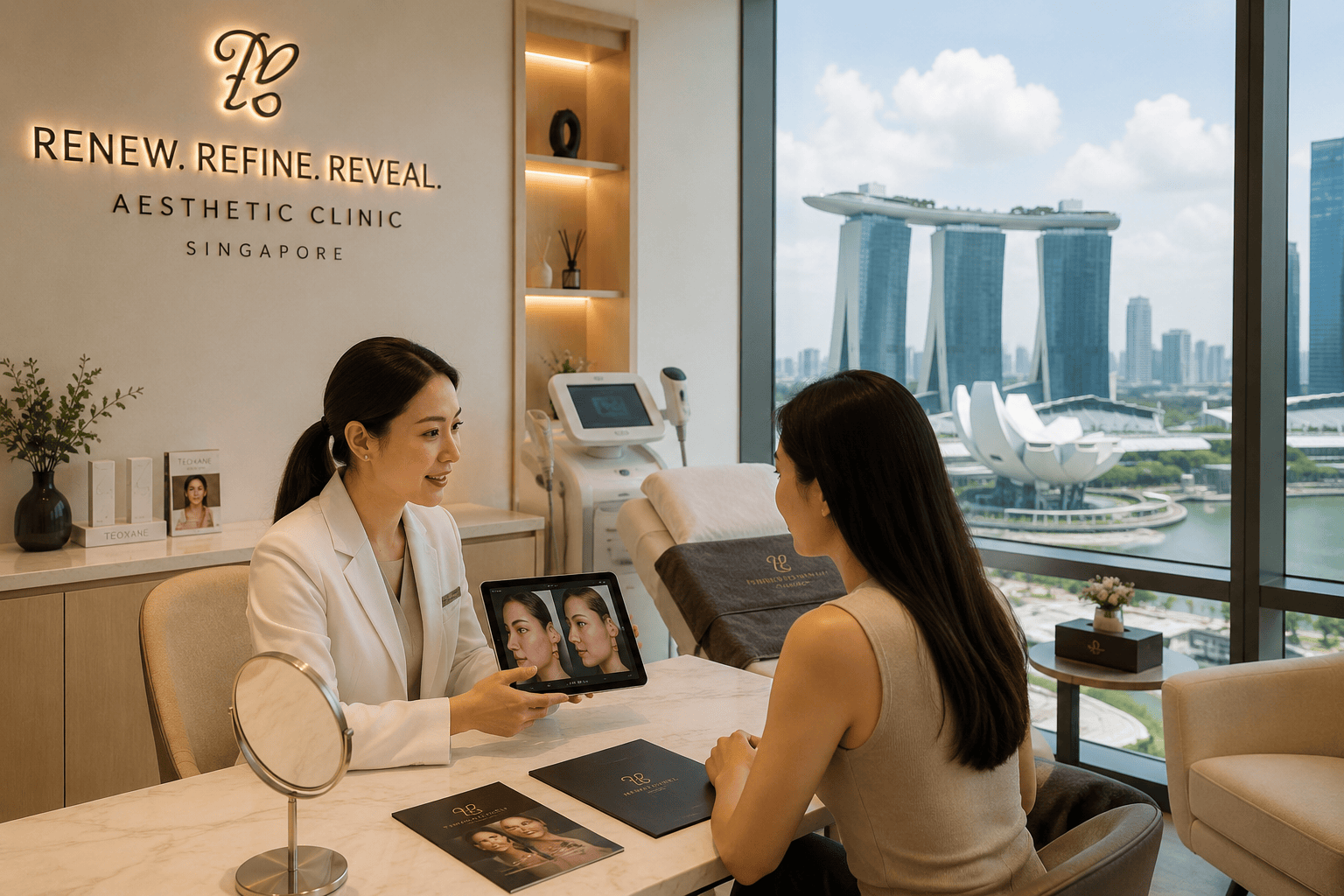
The paid advertising environment for medical tourism has tightened substantially since 2024, in ways that make organic content and partnership channels proportionally more important than they were two years ago. In January 2025, Meta implemented a ban on “Purchase” and “Add to Cart” event tracking for the Health and Wellness category, removing the conversion data that made paid social advertising measurably efficient for medical tourism patient acquisition, according to ClinicBooking’s global health marketing analysis. In September 2025, Google lifted restrictions on “Mature Cosmetic Procedures,” creating a partial deregulation for aesthetic clinics while maintaining the restrictions that apply to more clinical procedures.
The practical consequence for Asian medical tourism clinics is that organic SEO has become the primary reliable patient acquisition channel at scale. With paid channels partially blinded, the clinic whose educational content consistently ranks for the procedure and condition keywords that international patients search gains a structural advantage that isn’t susceptible to the platform policy changes that make paid campaign performance unpredictable. The trust-first content architecture, built on doctor authority, patient journey narratives, multilingual educational content, and transparent procedure information, is also the architecture that organic search rewards. The content investment serves both the patient’s trust-building needs and the clinic’s search visibility needs simultaneously.

Creative For More’s medical and aesthetics digital marketing services support Asian clinics building international patient acquisition programs across the channels this article covers: the multilingual content strategy, the trust-building content architecture, the organic search program, and the partnership development framework that connects clinic services to the facilitator and travel operator networks that pre-qualify international patient intent. Our social media marketing programs produce the visual content and patient journey storytelling that builds the international patient trust infrastructure across the digital touchpoints where medical tourism decisions are being formed. Our Southeast Asia go-to-market services connect the medical tourism marketing strategy to the broader regional market entry program for clinics expanding their international patient acquisition across multiple source markets simultaneously.
If your clinic is building an international patient acquisition strategy for Singapore, Southeast Asia, or cross-border patients from specific origin markets, the Creative For More team can help. Book a discovery call to explore how we can support your clinic’s growth.

Geraldine Pang
Creative For More
Geraldine Pang is the founder of Creative For More, a cross-border digital marketing agency with offices in Singapore, Tokyo, and New York. She specializes in brand strategy, market entry, and cross-border marketing across Southeast Asia, Japan, and the United States.