

Navigating the Creator Economy in 2026: Opportunities for Brands
Navigating the Creator Economy in 2026: Opportunities for Brands
The creator economy has transformed the way brands connect with consumers, offering new avenues to foster authentic relationships and drive meaningful engagement. In 2026, the creator economy continues to evolve, with influencers, content creators, and digital entrepreneurs shaping the future of marketing.
For businesses, understanding how to navigate this dynamic ecosystem is crucial. In this article, we’ll explore actionable strategies and real-world case studies that demonstrate the opportunities the creator economy offers for brands to thrive.
[ez-toc]
1. Building Authentic Connections
Consumers increasingly value authenticity, making creators a vital link between brands and their target audiences. Creators foster trust and relatability, offering brands a way to communicate more organically.
Case Study: Fenty Beauty’s Creator Collaborations

Fenty Beauty and MSCHF collaboration.
Fenty Beauty, Rihanna’s cosmetics brand, has embraced collaborations with micro-influencers and creators across social media. By working with beauty enthusiasts who share genuine reviews and tutorials, Fenty has cultivated a loyal customer base. One example includes the brand’s #FentyFace campaign on TikTok, where creators showcased diverse ways to use Fenty products, driving a significant boost in user-generated content and sales.
Opportunity for Brands in 2026: Partner with creators who align with your brand values to build trust and authenticity, particularly through user-generated content.
2. Embracing Co-Creation
Brands that involve creators in product design or campaign development can tap into their unique insights and audience influence, creating offerings that resonate deeply with consumers.
Case Study: Fortnite x Balenciaga Collaboration
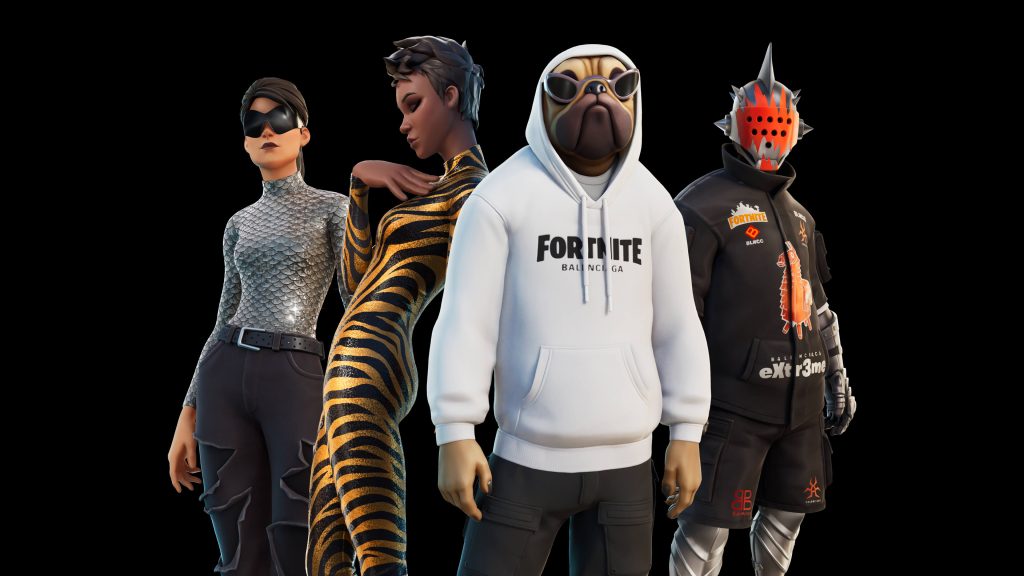
Fortnite, the popular video game, teamed up with luxury fashion house Balenciaga to create virtual skins (digital clothing) that players could purchase. This co-creation blurred the lines between gaming and fashion, appealing to both audiences. The collaboration extended into physical products as well, demonstrating the power of leveraging a creator-driven culture in new markets.
Opportunity for Brands in 2026: Explore partnerships where creators contribute to product design or campaign concepts, enabling more meaningful consumer engagement.
3. Leveraging New Platforms and Niches
The creator economy thrives on emerging platforms like TikTok, Twitch, and Discord. These platforms offer opportunities to connect with highly engaged, niche communities that traditional media often overlooks.
Case Study: Chipotle’s TikTok Challenges
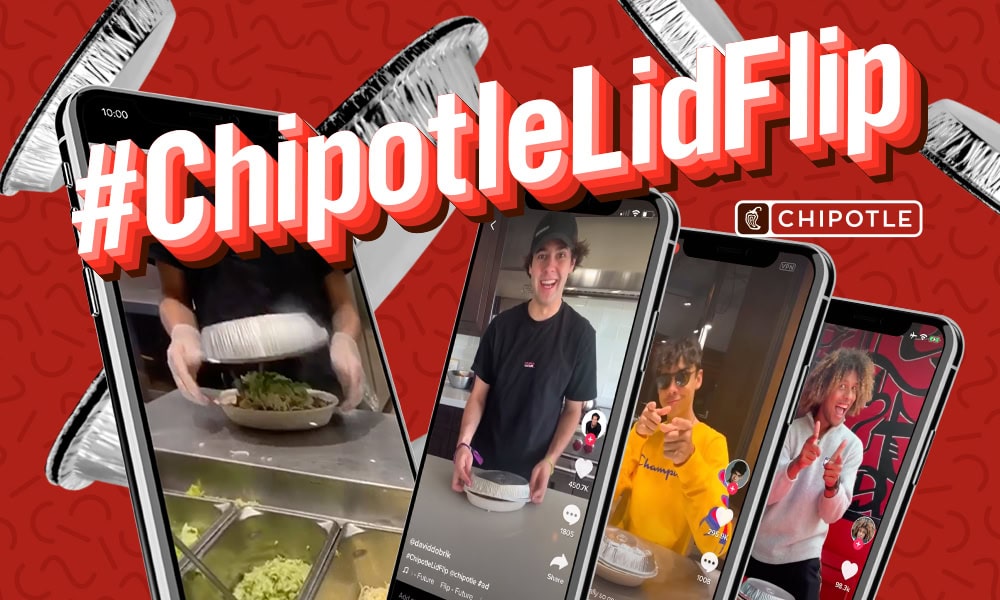
Chipotle has consistently leveraged TikTok to reach younger audiences through viral challenges. The “Lid Flip Challenge,” where creators flipped lids onto their bowls in creative ways, went viral, generating millions of views and significantly boosting brand awareness. By engaging TikTok creators to kickstart the trend, Chipotle demonstrated how brands can successfully tap into platform-specific opportunities.
Opportunity for Brands in 2026: Identify and invest in niche platforms where creators have strong, engaged followings to amplify your brand message.
4. Monetising the Creator Economy
Creators are not just marketers; they are businesses in their own right. Brands can support creators with resources, tools, and revenue-sharing models to build long-term partnerships.
Case Study: YouTube’s BrandConnect Programme

YouTube’s BrandConnect connects creators with brands for paid partnerships while offering robust analytics to measure campaign success. In a collaboration with the skincare brand CeraVe, creators shared their personal skincare journeys, resulting in high engagement and increased sales for CeraVe. The programme enabled a seamless partnership that benefited both creators and the brand.
Opportunity for Brands in 2026: Develop structured programmes to support creators’ business growth while achieving your marketing objectives.
5. Aligning with Social Causes
Creators often advocate for social or environmental causes that resonate with their audiences. Brands aligning with these causes can strengthen their values-based marketing efforts.
Case Study: Patagonia’s Environmental Advocacy
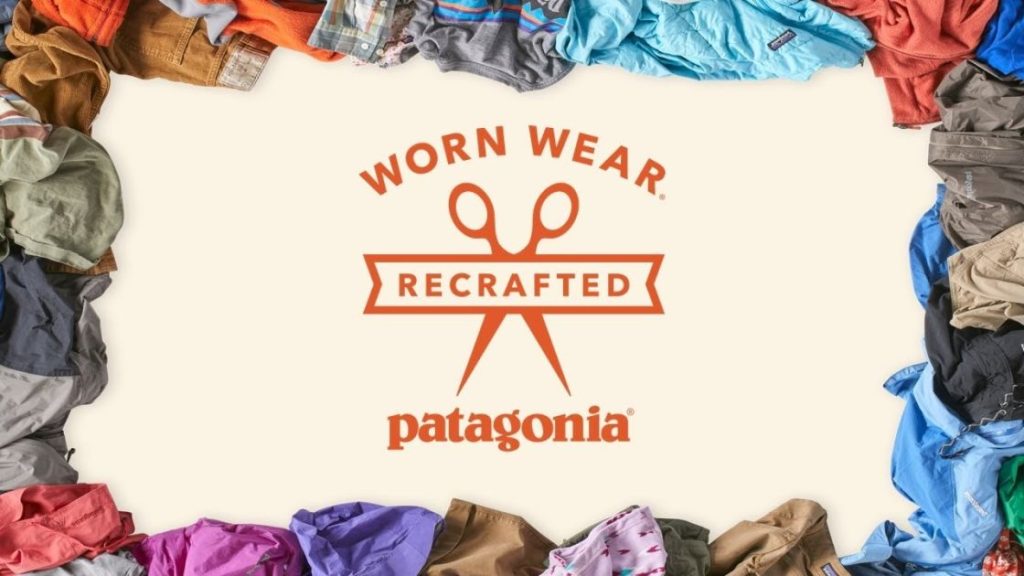
Patagonia partnered with environmental activists and creators to promote sustainable practices. Creators shared content highlighting Patagonia’s eco-friendly initiatives, such as their “Worn Wear” programme, which encourages customers to repair and reuse their clothing. This collaboration boosted the brand’s credibility and reinforced its commitment to sustainability.
Opportunity for Brands in 2026: Align your brand with creators who champion causes that reflect your corporate values, fostering deeper connections with socially conscious consumers.
6. Diversifying Content Formats
The creator economy extends beyond social media posts to include podcasts, newsletters, video series, and live streams. Brands that diversify their content formats can reach audiences in innovative ways.
Case Study: Red Bull’s Creator-Led Video Content

Red Bull has long collaborated with creators to produce high-energy video content that aligns with its adventurous brand image. In one instance, Red Bull worked with YouTube creators to document extreme sports events, blending branded storytelling with authentic creator perspectives. These videos not only garnered millions of views but also solidified Red Bull’s position as a leader in experiential marketing.
Opportunity for Brands in 2026: Partner with creators to develop unique content formats that resonate across multiple channels and audience preferences.
7. Navigating Regulatory Challenges
As the creator economy matures, regulatory oversight around sponsored content and transparency is increasing. Brands must navigate these challenges by ensuring compliance while maintaining authenticity.
Case Study: ASA’s Crackdown on Influencer Transparency (UK)
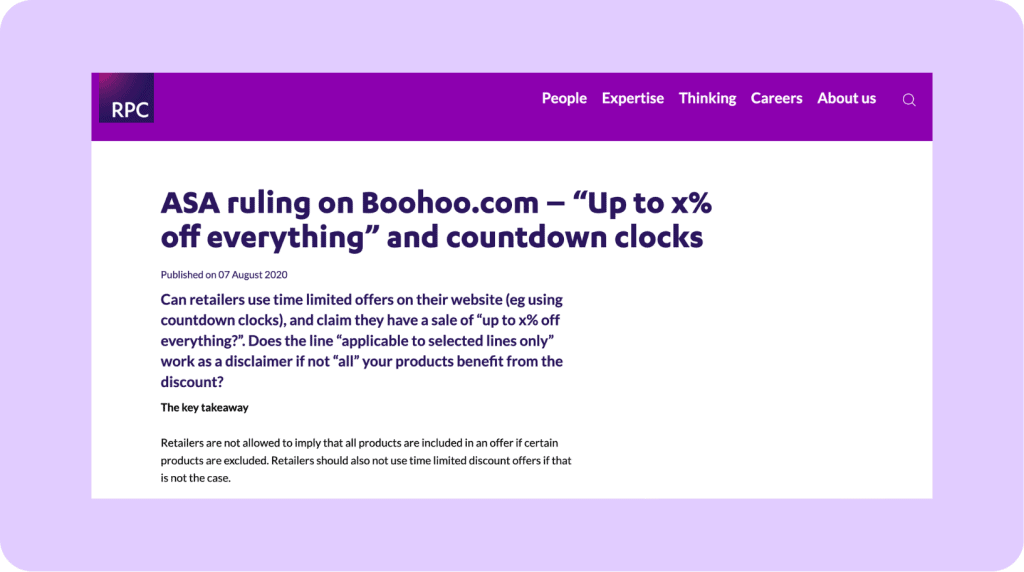
In the UK, the Advertising Standards Authority (ASA) has enforced stricter guidelines on influencer marketing. Brands like Boohoo faced scrutiny for failing to clearly disclose paid partnerships. In response, Boohoo implemented robust guidelines for creators, ensuring compliance while retaining audience trust.
Opportunity for Brands in 2026: Establish clear contracts and guidelines with creators to ensure regulatory compliance without compromising authenticity.
Final Thoughts
The creator economy in 2026 represents a dynamic and growing opportunity for brands. By building authentic connections, embracing co-creation, leveraging new platforms, and supporting creators as business partners, brands can unlock immense potential for growth. Real-life examples from Fenty Beauty, Chipotle, and Patagonia illustrate how innovative collaborations with creators can drive meaningful engagement and business success.
For entrepreneurs, start-up founders, and brand managers, navigating the creator economy requires a commitment to staying adaptable and strategic. The brands that succeed will be those that view creators not just as marketers but as long-term partners in shaping their brand’s story.

Geraldine Pang
Creative For More
Geraldine Pang is the founder of Creative For More, a cross-border digital marketing agency with offices in Singapore, Tokyo, and New York. She specializes in brand strategy, market entry, and cross-border marketing across Southeast Asia, Japan, and the United States.