
What Is Answer Engine Optimization (AEO), and What Should AEO Services Include?
What Is Answer Engine Optimization (AEO), and What Should AEO Services Include?
Last updated: September 2026
Answer engine optimization (AEO) is the practice of structuring a brand’s content and web presence so AI systems and search features use it to answer questions directly. The main answer engines in 2026 are Google AI Overviews and AI Mode, ChatGPT search, Perplexity, Gemini and Microsoft Copilot.
Demand for outside help is rising as a result. Ahrefs Keywords Explorer data we pulled in September 2026 shows “answer engine optimization services” at 1,300 US searches per month and “what is answer engine optimization” at 500. This guide defines AEO, separates it from SEO and GEO, and sets out what a credible AEO service should deliver.
What Is Answer Engine Optimization?
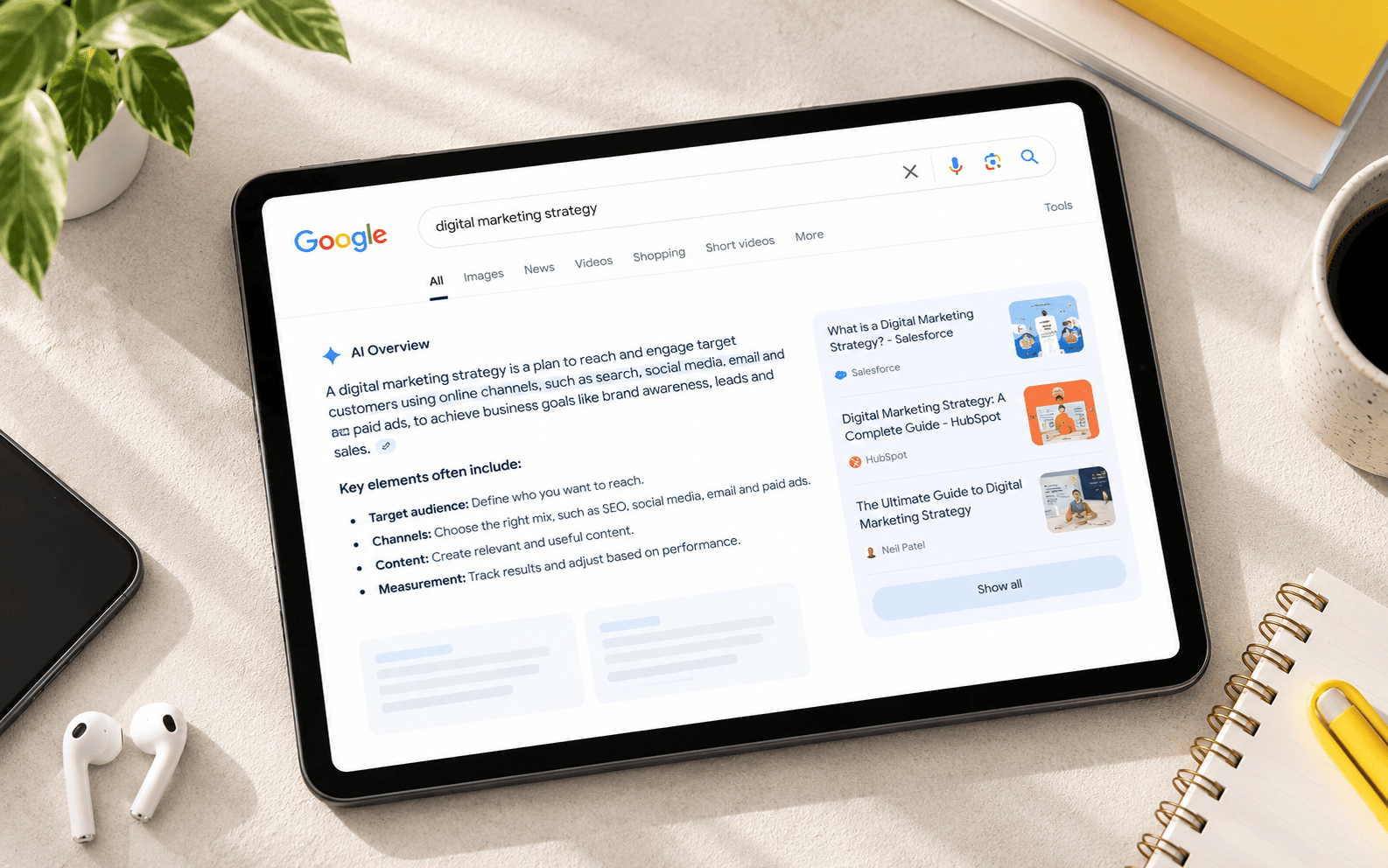
Answer engine optimization is the work of making content easy for AI systems to find, understand and quote as a direct answer. It focuses on the passage that answers a question, rather than on the ranking of the page that contains it.
The practice grew out of featured snippet and voice search optimization, which also rewarded short, direct answers. Generative AI has widened its scope, because answer engines now combine several sources into one response and cite some of them.
In practice, AEO covers four areas: technical access for AI crawlers, answer-first content structure, structured data, and a consistent brand presence on third-party sites.
How Is AEO Different From SEO and GEO?
SEO aims to rank pages, AEO aims to have specific passages used as answers, and GEO aims to have a brand cited and described accurately in AI-generated responses. The three overlap heavily, and many practitioners use AEO and GEO interchangeably.
| Discipline | Primary goal | Where results appear | Main success metric |
|---|---|---|---|
| SEO | Rank pages for search queries | Organic search results | Rankings, clicks, traffic |
| AEO | Have content used as the direct answer | Featured snippets, AI Overviews, voice assistants, AI chat answers | Answer inclusion and citations |
| GEO | Have the brand cited and described accurately by generative engines | ChatGPT, Perplexity, Gemini, Copilot, AI Mode | Citations, brand mentions, share of voice in AI answers |
Google’s own guidance treats these as extensions of existing SEO practice. Google Search Central advised in May 2025 that the same fundamentals apply to AI Overviews and AI Mode: unique content, a good page experience, crawlable pages and structured data that matches visible content.
Why Does AEO Matter for Brands in 2026?
AEO matters because a growing share of searches end with an AI answer rather than a click. When a brand isn’t part of that answer, it loses visibility even if its page still ranks.
According to a Pew Research Center analysis of 68,879 Google searches by 900 US adults (2025), users clicked a traditional search result in 8% of visits when an AI summary appeared, compared with 15% when it didn’t. Users clicked a link inside the AI summary in 1% of visits.
Answer engines also shape early research for business purchases. A buyer comparing agencies, software or suppliers often starts with a question in ChatGPT or Google, and the brands named in that first answer form the shortlist. ChatGPT alone reached 900 million weekly active users in February 2026, according to TechCrunch.
What Should AEO Services Include?
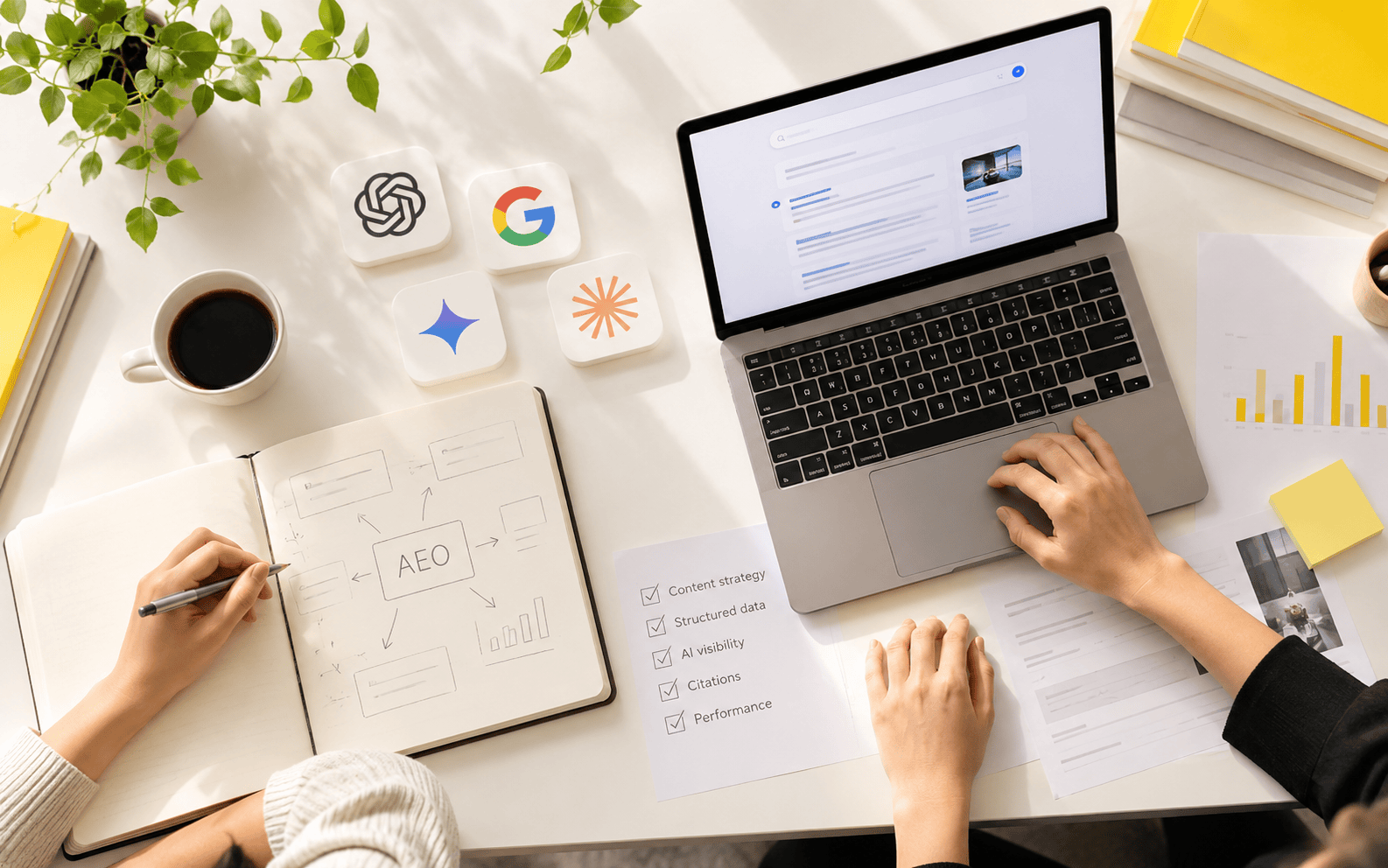
A complete AEO service includes a technical audit, a content audit, content restructuring, structured data, off-site presence work and ongoing measurement. A service that only rewrites content or only supplies a dashboard covers part of the problem.
- AI crawler access audit. A check of robots.txt, firewall and CDN rules for Googlebot, Bingbot, OAI-SearchBot, PerplexityBot and other answer engine crawlers.
- Question research. Identification of the questions buyers ask, using People Also Ask data, search console queries, sales conversations and AI prompt sampling.
- Content audit. A review of priority pages for answer-first structure, heading clarity, sourced statistics and outdated information.
- Content restructuring. Rewriting sections so each opens with a 40 to 60 word answer, and adding tables and lists where readers compare options.
- Structured data. Organization, Article and FAQ markup that matches the visible page, validated before release.
- Entity and off-site work. Consistent company descriptions across directories, social profiles and media, plus earned mentions on relevant third-party sites.
- Measurement and reporting. Monthly tracking of AI citations, brand mentions, AI referral traffic and the prompts where competitors appear instead.
| Service component | Typical deliverable | How often |
|---|---|---|
| Technical and crawler audit | Audit report with a prioritized fix list | At the start, then after site changes |
| Question and prompt research | Prompt set grouped by buyer stage | At the start, refreshed quarterly |
| Content restructuring | Rewritten priority pages and new answer-led articles | Monthly |
| Structured data | Validated schema on key templates | At the start, then per new template |
| Off-site presence | Profile clean-up and earned mention plan | Ongoing |
| Measurement | AI visibility report with competitor comparison | Monthly |
What Does an AEO Audit Check?
An AEO audit checks whether AI systems can access a site, whether its content answers buyer questions directly, and whether its brand information is consistent across the web. The output is a prioritized list of fixes rather than a general score.
| Audit area | What is checked | Common finding |
|---|---|---|
| Crawler access | robots.txt, firewall and CDN rules for search and AI crawlers | AI search crawlers blocked along with training crawlers |
| Indexability | Status codes, noindex tags and preview controls | Key pages excluded by nosnippet or noindex |
| Content structure | Headings, answer placement and section length | Answers buried at the end of long sections |
| Evidence | Statistics, sources and update dates | Figures without a named source or year |
| Structured data | Organization, Article and FAQ markup | Markup that doesn’t match the visible page |
| Entity consistency | Company name, services and locations across profiles | Different service descriptions on the website and directories |
| Current visibility | Sampled AI answers for priority questions | Competitors cited for the brand’s core topics |
Is AEO Replacing SEO?
AEO isn’t replacing SEO, because answer engines still rely on search indexes and ranking signals to find sources. It adds a second layer of work focused on how content is extracted and cited.
Google AI Overviews and AI Mode draw on Google’s index, and ChatGPT search can use third-party search providers to find pages. A site with weak crawlability or thin content struggles in both channels, so the SEO foundation comes first.
The budget split is shifting, though. Teams that once measured success only by rankings now also report on citations and brand mentions, and they plan content around the questions buyers ask AI tools.
How Do AEO Services Usually Charge?
AEO services are commonly priced as a one-off audit followed by a monthly retainer for content and measurement. The retainer size depends on the number of pages restructured each month, the number of markets and languages covered, and the tracking tools included.
Multi-market brands should expect scope to rise with each language. AI answers are generated separately for each language and country, so a brand selling in Singapore, Japan and the US needs prompt sets and content for each market.
How Do You Evaluate an AEO Agency?
A capable AEO agency can explain how it measures citations, show its own content following AEO principles, and connect its work to search fundamentals.
The questions below separate structured providers from those reselling a dashboard.
- Which answer engines do you track, and is the data first-party or sampled from prompts?
- How do you choose the prompts you track, and how often do you update them?
- What technical checks do you run for AI crawlers?
- How do you handle content in more than one language or market?
- What does a monthly report include, and how does it connect to leads or revenue?
- Can you show pages on your own site that follow the structure you recommend?
Our guide on whether digital marketing agencies are worth it covers the wider questions to ask before hiring any agency.
How Long Does AEO Take to Show Results?
Technical fixes can affect AI visibility as soon as crawlers revisit the affected pages, while content and off-site work build results over several months. Most brands should plan on a quarter before judging trends.
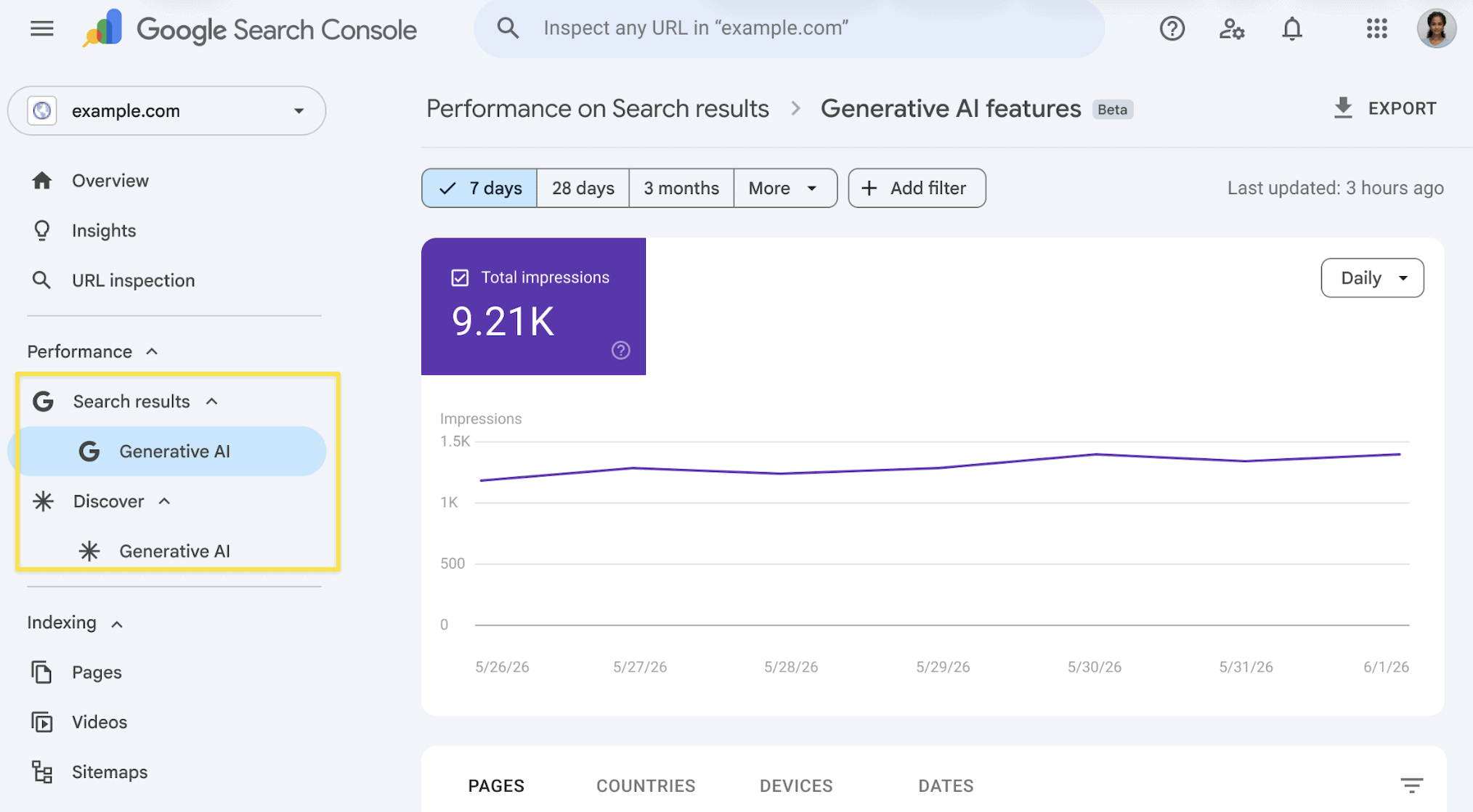
AI answers change frequently, even for the same prompt on the same day. Measurement works best as a monthly trend across a fixed prompt set, reviewed together with search data from sources such as the Search Console generative AI reports Google began rolling out in June 2026. Microsoft added a similar AI Performance report to Bing Webmaster Tools in February 2026, as reported by Search Engine Land.
How Does AEO Work for Brands in Several Markets?
AEO for several markets requires separate question research, content and tracking for each language and country. A translated page doesn’t automatically answer the questions buyers ask in that market.
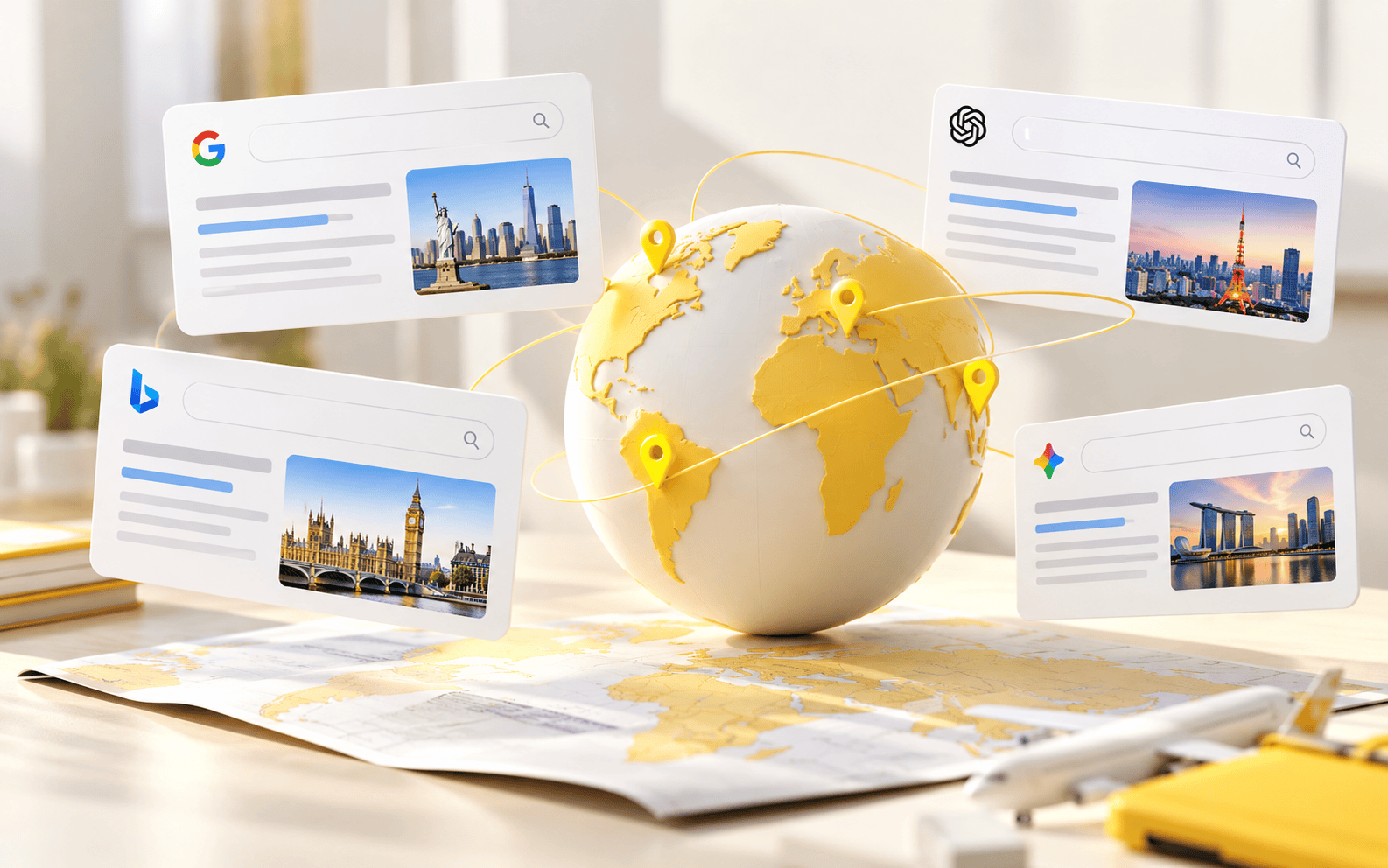
At Creative For More, we work from offices in Singapore, Tokyo and New York, and we plan AEO programs market by market. Our generative engine optimization service covers the audit, content and measurement components above, and our search engine marketing team handles the ranking foundations they depend on.
If you want your brand to appear in AI answers across the markets you sell into, we can start with an AEO audit of your site and content. If your company is looking for a strategic marketing partner, the Creative For More team can help. Book a discovery call to explore how we can support your brand’s growth.

Geraldine Pang
Creative For More
Geraldine Pang is the founder of Creative For More, a cross-border digital marketing agency with offices in Singapore, Tokyo, and New York. She specializes in brand strategy, market entry, and cross-border marketing across Southeast Asia, Japan, and the United States.