
Lemon8 in Singapore: Is the ByteDance Lifestyle App Worth Marketing On?
Lemon8 in Singapore: Is the ByteDance Lifestyle App Worth Marketing On?
Every year a new platform gets labelled the next big thing, and every year most of them fade. Lemon8 is the one that keeps coming up in our client conversations, usually from beauty, food, and lifestyle brands wondering if they are late to something.
So here is the honest read. Lemon8 is not a mass channel in Singapore yet, but it occupies a specific gap that Instagram and TikTok do not fill well. This piece breaks down what it is, how much traction it actually has, and whether it deserves a line in your 2026 budget.
What is Lemon8, and who is behind it?
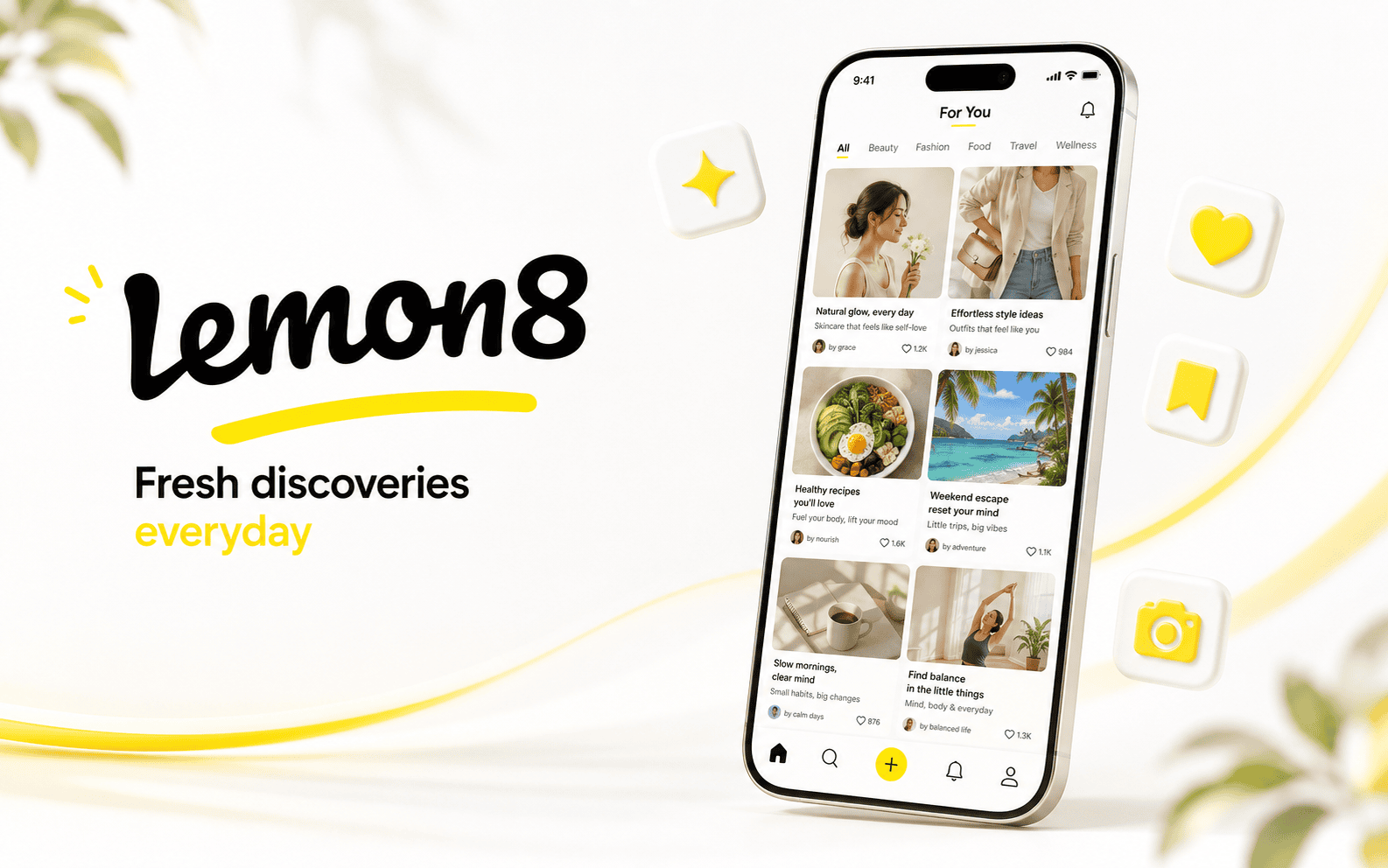
Lemon8 is a lifestyle content app owned by ByteDance, the same parent company behind TikTok. It blends the visual browsing of Pinterest, the aesthetic feel of Instagram, and the discovery engine of TikTok into one place built around niche interests.
The app first launched in Japan in 2020 under the name Sharee, then rebranded and expanded into Southeast Asia from 2022. It climbed to the top of the iOS App Store’s Lifestyle category in Singapore in early 2023, which is when local marketers started paying attention.
The core content unit is the annotated photo carousel, not the short video. Think detailed skincare routines, cafe roundups, travel itineraries, and home decor guides, each with long captions, tags, and searchable keywords. That format rewards depth and dwell time rather than quick scroll-through views.
How much traction does Lemon8 have in Singapore and Southeast Asia?
Lemon8 has real reach globally but remains a niche channel in Singapore, so it works best as a complement rather than a primary platform. The audience skews young, female, and lifestyle-focused, which matters more than raw scale for the right brand.

Lemon8 recorded more than 16 million monthly active users worldwide across iOS and Android by the end of 2024. According to Statista (2025) download-share data, Japan remains the single largest source of installs, with Southeast Asian markets making up a meaningful slice behind it.
Southeast Asia sits at the centre of its growth story. Thailand, Indonesia, Malaysia, and Singapore were among the early expansion markets, and Asia has stayed its stronghold even as Western interest cooled.
For context on the wider market, according to DataReportal’s Digital 2025 Singapore report, the country had 5.16 million social media user identities in January 2025, equal to 88.2 percent of the population. In a market that saturated, a smaller platform with a defined niche can still be worth testing, because attention is fragmenting across more apps.
One caution worth flagging. According to reporting from Fast Company, much of Lemon8’s early Western download surge was driven by TikTok creators cross-promoting it rather than organic pull, so headline download spikes do not always translate into sustained daily use.
How do brands and creators use Lemon8 for discovery?
Brands use Lemon8 as a search and discovery layer, closer to how people use Pinterest or Google than how they use Instagram Stories. Users often arrive with intent, searching terms like “affordable facial Singapore” or “best kaya toast,” which makes well-tagged content genuinely findable months after posting.
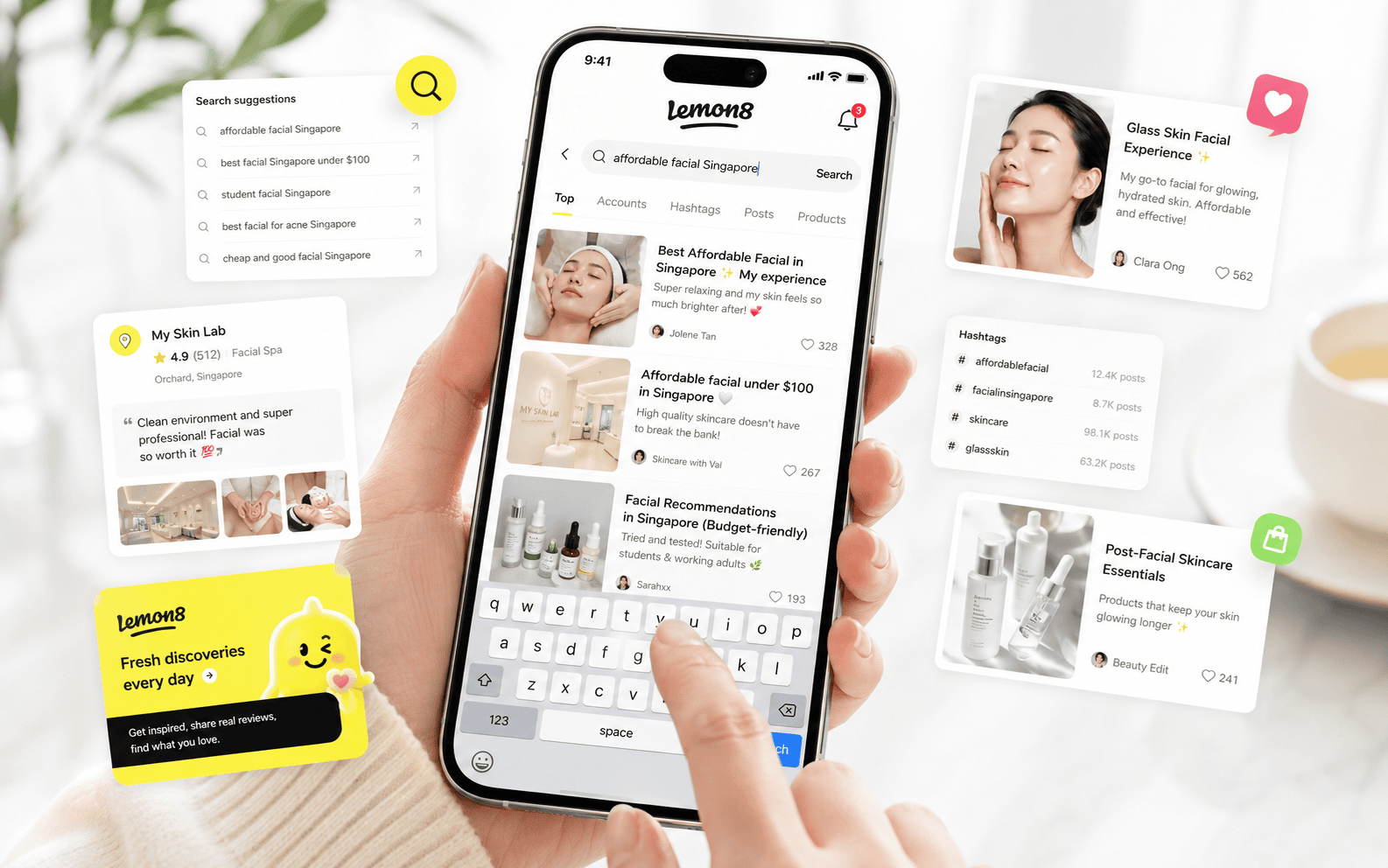
Creators drive most of the discovery. The platform leans heavily on user-generated recommendations, honest reviews, and how-to content, so the tone reads more like a helpful friend than a polished ad. That is why influencer marketing tends to outperform brand-owned posts here.
The practical play for brands is to seed content through micro-creators, then let the app’s evergreen search surface it over time. In campaigns we have run for lifestyle and F&B brands across Singapore, the posts that perform are the ones that answer a specific question, not the ones that simply announce a product.
There is also a soft-selling advantage worth naming. Because the culture on Lemon8 rewards genuine recommendations over polish, a brand can build trust without the hard-sell tone that tends to backfire on younger audiences. That fits how discovery works now, where people trust a creator’s honest breakdown more than a brand’s own claim.
What content formats actually work on Lemon8?
Detailed, informative carousels with strong cover images and keyword-rich captions perform best on Lemon8. The platform rewards content that teaches or curates, so guides, comparisons, and honest reviews outperform lifestyle filler.
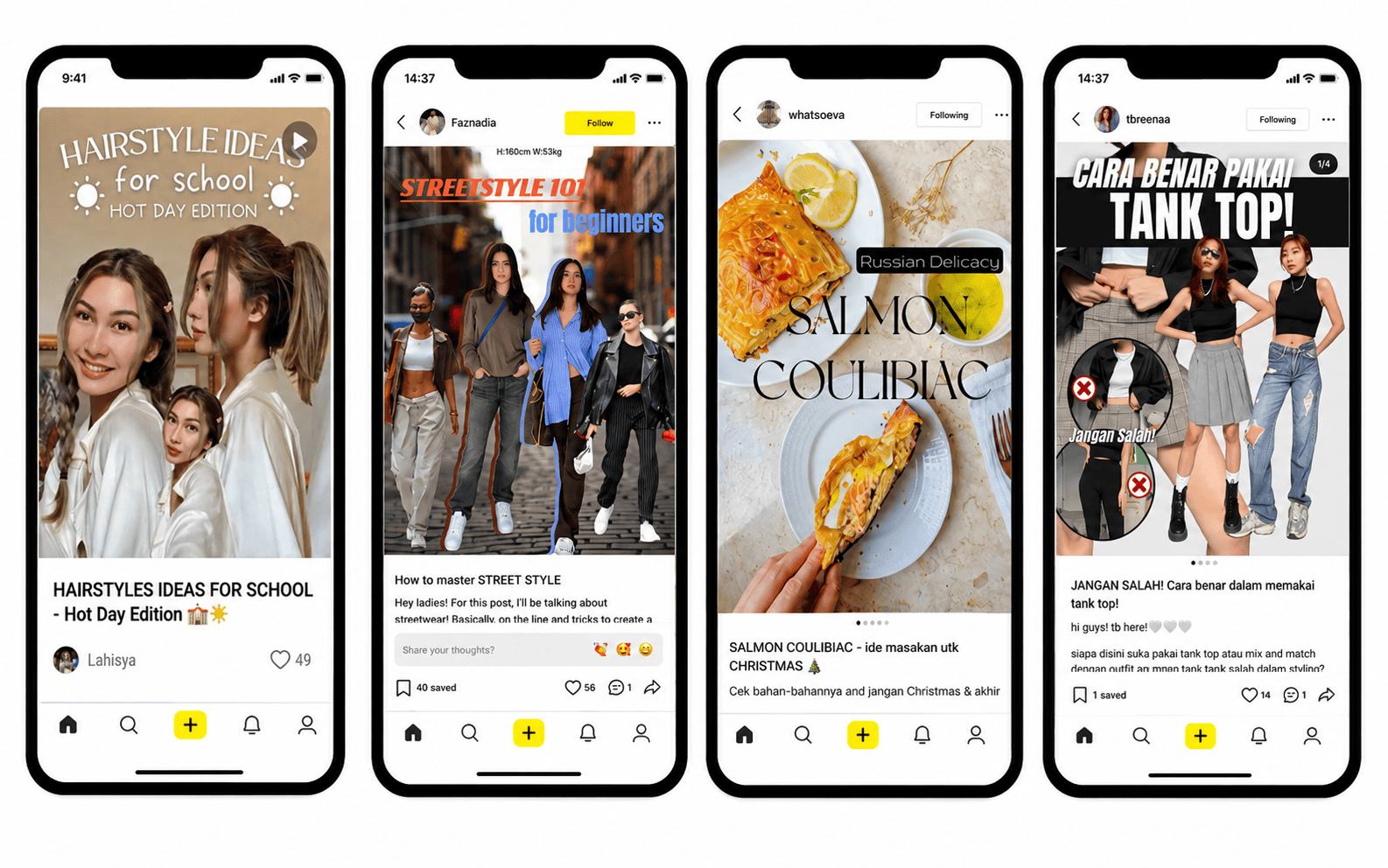
A few format norms hold up consistently across the niches we watch:
- Cover slides need a clear hook and readable text, because the feed is browsed visually like a Pinterest board.
- Captions should be long and structured, with subheadings and emojis used as signposts, not decoration.
- Hashtags and location tags matter more than on Instagram, since they feed the search index that keeps posts alive.
The mistake we see most often is treating Lemon8 like a dumping ground for repurposed Instagram content. Square lifestyle shots with three-word captions get ignored, because they give the discovery engine nothing to rank. If you want a fuller framework for planning across channels, our guide to social media marketing covers how to adapt one idea into platform-native formats.
Posting cadence matters less here than it does on feed-driven apps. A handful of strong, searchable posts per month will outwork daily filler, because value on Lemon8 accrues to depth and keywords rather than frequency. That makes it a comparatively low-lift channel to test if your content is genuinely useful.
How does Lemon8 compare to Instagram and Xiaohongshu for discovery?
Lemon8 sits between Instagram and Xiaohongshu: more discovery-driven than Instagram, more accessible to English-first audiences than Xiaohongshu. Each platform earns its place for a different reason, and most Singapore brands will use them together rather than pick one.
| Factor | Lemon8 | Xiaohongshu (RED) | |
|---|---|---|---|
| Primary behaviour | Search and browse for ideas | Follow and scroll a feed | Research before buying |
| Core format | Annotated photo carousels | Reels, Stories, single posts | Review carousels and notes |
| Content shelf life | Long, search-indexed | Short, feed-driven | Long, search-indexed |
| Audience in Singapore | Niche, young, lifestyle | Broad, mainstream | Growing, high purchase intent |
| Language barrier | Low, English-friendly | Low | Higher, Mandarin-first |
| Best use for brands | Evergreen discovery content | Reach and community | Chinese-speaking consumers |
Xiaohongshu is the stronger commerce and research engine for Mandarin-speaking audiences, and its Singapore base has grown quickly. Lemon8 is the easier entry point for English-first content, which is why it fits many local lifestyle brands better as a starting test. To see how these fit a full plan, our social media blog covers platform strategy across the region.
Is Lemon8 worth investing in right now?
For most Singapore brands, Lemon8 is worth a low-cost pilot, not a full budget shift. It makes sense if you sell something people actively research, such as beauty, wellness, food, travel, or home, and if you can produce genuinely useful content rather than ads.
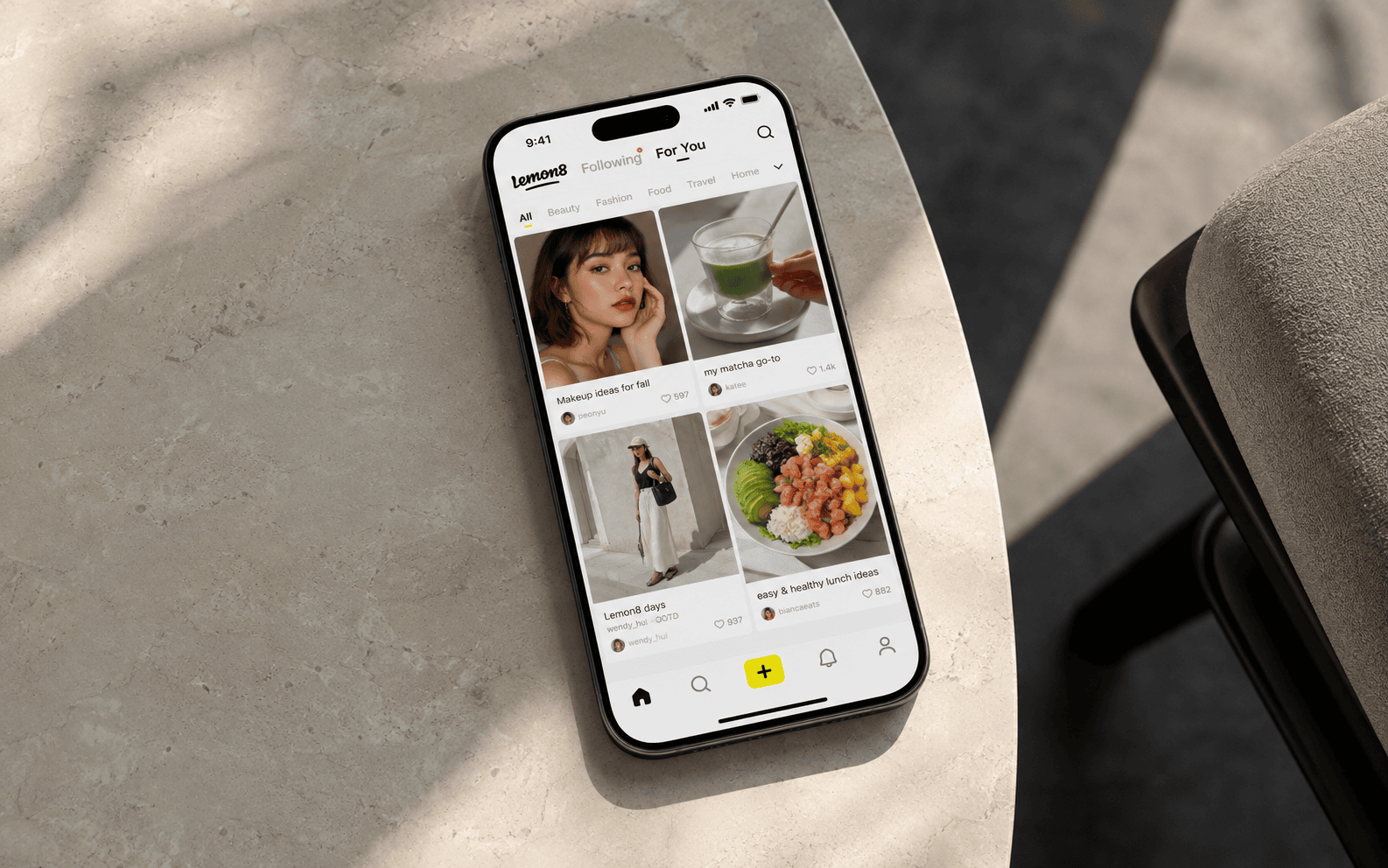
There is a lot of hype around ByteDance’s second app, but we should practise caution before treating it as a primary channel. Western engagement has been uneven, and a smaller audience means fewer creators and less benchmarking data to guide spend.
Here is the thing about early platforms. The upside is lower competition and evergreen discovery that keeps working long after you post, which is rare on feed-driven apps. The cost is time spent producing depth-heavy content for an audience that is still forming.
A sensible test looks like this. Commit to one quarter, publish two to four searchable posts a month through a mix of owned content and micro-creators, and track whether saved posts and profile visits grow. If the signals are flat after three months, you have lost little and learned plenty.
At the end of the day, the decision is less about Lemon8 itself and more about whether your brand has a discovery story to tell. If your audience genuinely searches for what you sell, a modest, well-crafted presence can compound quietly while everyone else waits to see if the platform sticks.
If your company is looking for a strategic marketing partner, the Creative For More team can help. Book a discovery call to explore how we can support your brand’s growth.
More Marketing Strategies in Singapore
- Social Media Agency in Singapore: A 2026 Guide to Scope, Pricing, and Platforms
- How to Choose a Branding Agency in Singapore: A Buyer’s Guide
- The Singapore Influencer Landscape in 2026: A Brand’s Guide to Working With KOLs
- What a Digital Marketing Company Does, and How to Choose One in Singapore (2026)
- SEM Agency Singapore: How Paid Search and Paid Social Work for Local Businesses
- What a B2B Marketing Agency in Singapore Does Differently
- Lemon8 in Singapore: Is the ByteDance Lifestyle App Worth Marketing On?

Geraldine Pang
Creative For More
Geraldine Pang is the founder of Creative For More, a cross-border digital marketing agency with offices in Singapore, Tokyo, and New York. She specializes in brand strategy, market entry, and cross-border marketing across Southeast Asia, Japan, and the United States.