
Restaurant Social Media Strategy for Singapore F&B Brands
Restaurant Social Media Strategy for Singapore F&B Brands
Social media didn’t replace word-of-mouth in Singapore’s F&B scene. It became word-of-mouth. A diner who posts a Reel of your XO fried rice at 7pm reaches more people in two hours than a satisfied customer telling three friends over a week. The question isn’t whether to invest in social. It’s knowing which platforms matter, what content actually performs, and how to get customers generating content for you so the effort doesn’t sit entirely on your team.
This is a channel playbook for Singapore F&B brands. We’re covering the Instagram-first strategy, TikTok’s specific content norms for food, posting frequency by platform, and how to build a UGC flywheel that compounds over time.
Why Does Instagram Come First for Singapore F&B Brands?
Instagram has 3.61 million active users in Singapore, which is roughly 62% of the entire population, according to Terris Digital’s 2026 Instagram Singapore guide. For food and lifestyle content specifically, it’s where Singapore diners under 35 discover new restaurants, evaluate them, and share their experiences. TikTok is growing fast. But Instagram is where the purchase decision still most often happens.
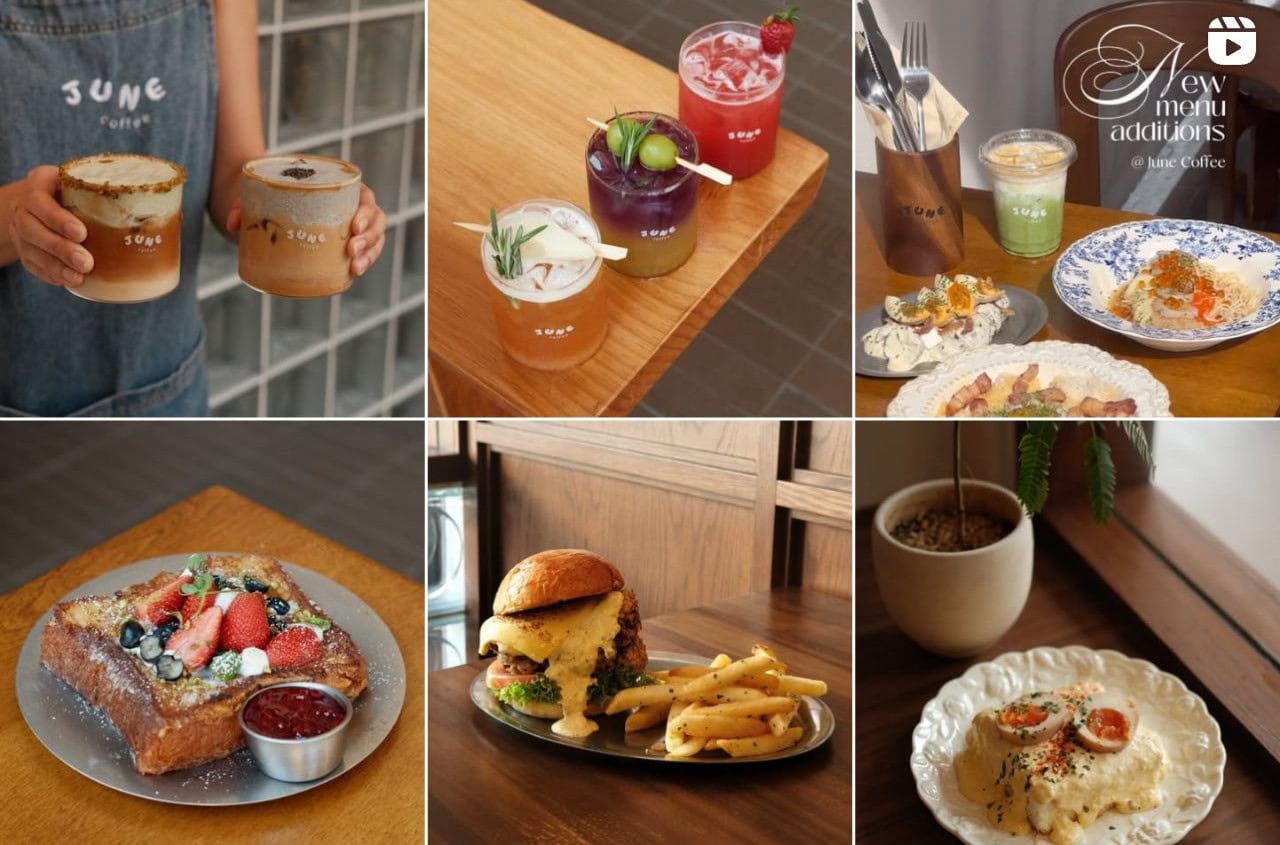
A significant change happened in mid-2025: Instagram content is now indexed by Google. A Reel captioned with your restaurant name, neighborhood, and dish type can surface in Google local search results alongside your Google Business Profile, according to FoodShot’s 2026 restaurant social media guide. That means your Instagram posts are doing double duty: social discovery and search discovery simultaneously. Every geotagged Reel is a small SEO asset.
The content mix that performs best on Instagram for Singapore restaurants follows a consistent ratio. According to Marketing Agency Singapore’s 2026 Instagram guide, aim for roughly 60% value-driven content, 20% community content including UGC and reposts, and 20% promotional content. Brands that lean too heavily on promotional posts see declining engagement. Singapore diners follow restaurants to see food and personality, not a feed of offers.
What Does an Instagram Content Strategy Actually Look Like?
Reels are the reach engine. Carousels are the trust engine. Stories are the daily presence layer. A Singapore restaurant using all three in combination consistently outperforms one that focuses on any single format.

Reels that perform well in Singapore’s food context don’t need production budgets. The content that drives watch time is sensory: the cheese pull, the steam rising from a bowl of broth, a chef’s hands plating a dish in a clean, deliberate sequence. Keep Reels under 30 seconds where possible. Hook within the first two seconds by starting with the most visually compelling moment, not a logo or text card. According to FoodShot’s 2026 guide, UGC reposts on Instagram drive four times higher conversion than branded posts, which tells you something important about what diners trust.
Carousels earn the highest median engagement rate on Instagram at 6.9%, according to the restaurant social media data covered earlier in this series. Use them for menu launches, seasonal specials, or “top 5 dishes” content that gives people something to swipe through. Carousels also get saved at higher rates than single images, and a save is Instagram’s strongest signal that the content delivered genuine value.
Stories are the daily relationship layer. Post them every day, even on days with no feed content. According to Terris Digital’s guide, consistently posting Stories keeps your profile picture at the top of your followers’ feeds. When you stop, you lose that placement. Three to seven Story frames per day is the practical target for a Singapore restaurant, which sounds like a lot until you realize behind-the-counter clips, polling stickers on new menu ideas, and quick repost moments from diners all count.
How Does TikTok Work for Singapore Food Brands?
TikTok’s algorithm doesn’t care about your follower count. A first-time post from a new account with a great 10-second hook can reach 200,000 people. A polished branded video from an established account with the wrong opening gets ignored. That’s the core difference from Instagram, and it changes how you approach content.

According to FoxiFood’s 2026 TikTok restaurant guide, 53% of diners aged 18 to 35 have visited a restaurant specifically because they saw it on TikTok, not Instagram, not Google, not a friend’s recommendation. Restaurant adoption of TikTok nearly doubled from 26% to 48% between 2023 and 2024 according to FoodShot’s guide. For Singapore brands with any audience under 35, not being on TikTok is a deliberate decision to cede that discovery to someone else.
The content norms for food on TikTok are specific and worth understanding before you start filming. The formats that consistently drive views and foot traffic are: behind-the-scenes kitchen prep showing the actual process rather than the finished plate; chef or owner personality content where the person becomes as recognizable as the food; trending audio with a food-specific twist, matching the sound everyone’s using to your dish or your story; and customer first-bite reactions, which are the highest-trust format because they’re genuinely unscripted. According to FoodShot’s data, 55% of TikTok users have visited a restaurant after seeing its menu content. That conversion rate from screen to seat is what makes the effort worth it.
What doesn’t work on TikTok for F&B: overproduced content that looks like a commercial, opening with a logo, posting when you feel like it rather than on a consistent schedule, and copy-pasting your Instagram posts without reformatting for vertical-first, fast-hook TikTok norms. According to Malou’s 2026 TikTok restaurant guide, the Chili’s Triple Dipper redesign became a case study in TikTok-first product thinking: they redesigned the product specifically to be visually compelling on social, made it shareable rather than just advertised it, and the resulting UGC and brand clips drove 31% comparable sales growth and 20% traffic increase in three months.
How Often Should Singapore Restaurants Post on Each Platform?
Consistency beats volume on every platform. A restaurant posting four strong pieces of content per week reliably will outperform one posting twelve pieces one week and two the next. The algorithm rewards accounts that show up predictably. Here’s what the current data suggests by platform.
| Platform | Feed Posts | Stories / Ephemeral | Best Posting Times (Singapore) | Format Priority |
|---|---|---|---|---|
| 4 to 7 per week (Reels 40-60% of mix) | Daily, 3 to 7 Story frames | 7-9 AM, 12-1 PM, 7-9 PM SGT; weekends for lifestyle/food | Reels for reach, carousels for depth, Stories for daily presence | |
| TikTok | 3 to 5 times per week minimum | No Stories equivalent; maintain feed cadence | 6-9 PM weekdays, Sunday afternoon | Vertical video only; 15-30 second sweet spot; hook in first 3 seconds |
| 3 to 5 times per week | Stories worth adding; Events for dining occasions | Wednesday to Friday 1-3 PM; evenings for food content | Events for group dining; community building; repurposed Instagram content |
Here’s the thing: most Singapore restaurant owners don’t have a full content team. Batch-filming is the practical solution. Block two hours once a week to film ten to fifteen clips covering the week’s content across platforms. Plan what you’ll film before you walk into the session: one hero dish Reel, two BTS clips, one chef moment, and five to eight Story frames. That session produces enough content for a full week’s posting across Instagram and TikTok. According to Marketing Agency Singapore’s guide, batch-creating weekly or fortnightly is more efficient than creating daily and leads to more consistent output.
How Does the UGC Flywheel Work for Singapore F&B?
User-generated content is the most commercially efficient content a Singapore restaurant can produce, because it doesn’t cost you to make. A diner who posts a Reel of your garlic butter crab from their table is generating reach, social proof, and trust simultaneously, all at zero production cost to the brand. The UGC flywheel is the system that makes this happen consistently rather than accidentally.
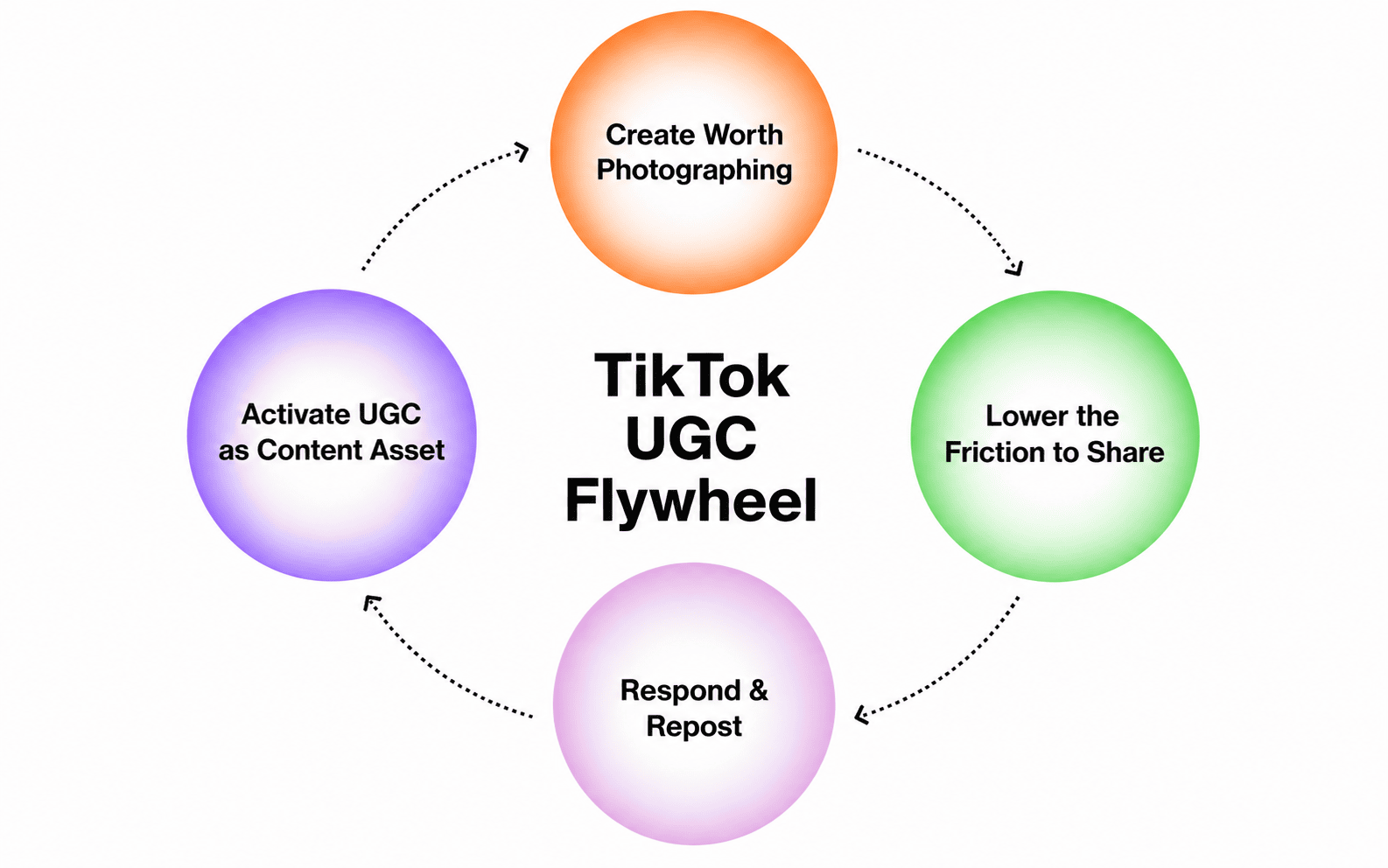
The flywheel has four stages.
Stage one is making the physical space worth photographing. A deliberate design decision, a dramatic plating moment, an interesting wall panel, strong natural light at the right table, gives diners the reason to get their phone out. You don’t need a dedicated “Instagrammable” photo wall. You need at least three moments in the dining experience that are genuinely shareable.
Stage two is lowering the friction to share. A branded hashtag on the table card, a subtle prompt on the receipt, a note from the server mentioning that the restaurant features guest photos. These prompts double UGC generation not because they pressure guests but because they remind guests who were already going to post. Singapore diners already share food content; the prompt connects their natural behavior to your specific branded tag.
Stage three is responding and reposting. According to Sprout Social’s Q2 2025 Pulse Survey data, the top two things consumers want from brands on social are brands interacting with their audience (58%) and original content series (57%). Responding to a guest’s tagged photo with a genuine comment, and reposting it to Stories within 24 hours, completes the social exchange that makes the guest feel seen and encourages future visits and future posts. Mavrk Studio’s 2026 UGC guide notes that featuring fan-made content on your official account with proper credit and supporting creators with remixable assets creates the virtuous circle of engagement that compounds over time.
Stage four is activating UGC as a content asset. A diner’s TikTok video of your cheese-pull burger performs differently than your brand’s video of the same shot, because the algorithmic trust signals behind a genuine customer post differ from a branded post. Reposting strong UGC to your own Instagram Reels or TikTok, with the creator tagged and credited, extends the original content’s life across your channels. According to FoodShot’s guide, UGC drives four times higher conversion than branded posts on Instagram specifically. That number alone makes the UGC flywheel worth building.
What Content Pillars Should a Singapore F&B Brand Build Around?
Content pillars give your team something to execute against rather than staring at a blank phone wondering what to post today. The pillars for Singapore F&B that produce the strongest combined engagement and foot-traffic outcomes are: food visuals, behind-the-scenes kitchen content, chef or team personality, seasonal and occasion-driven posts, and UGC reposts.
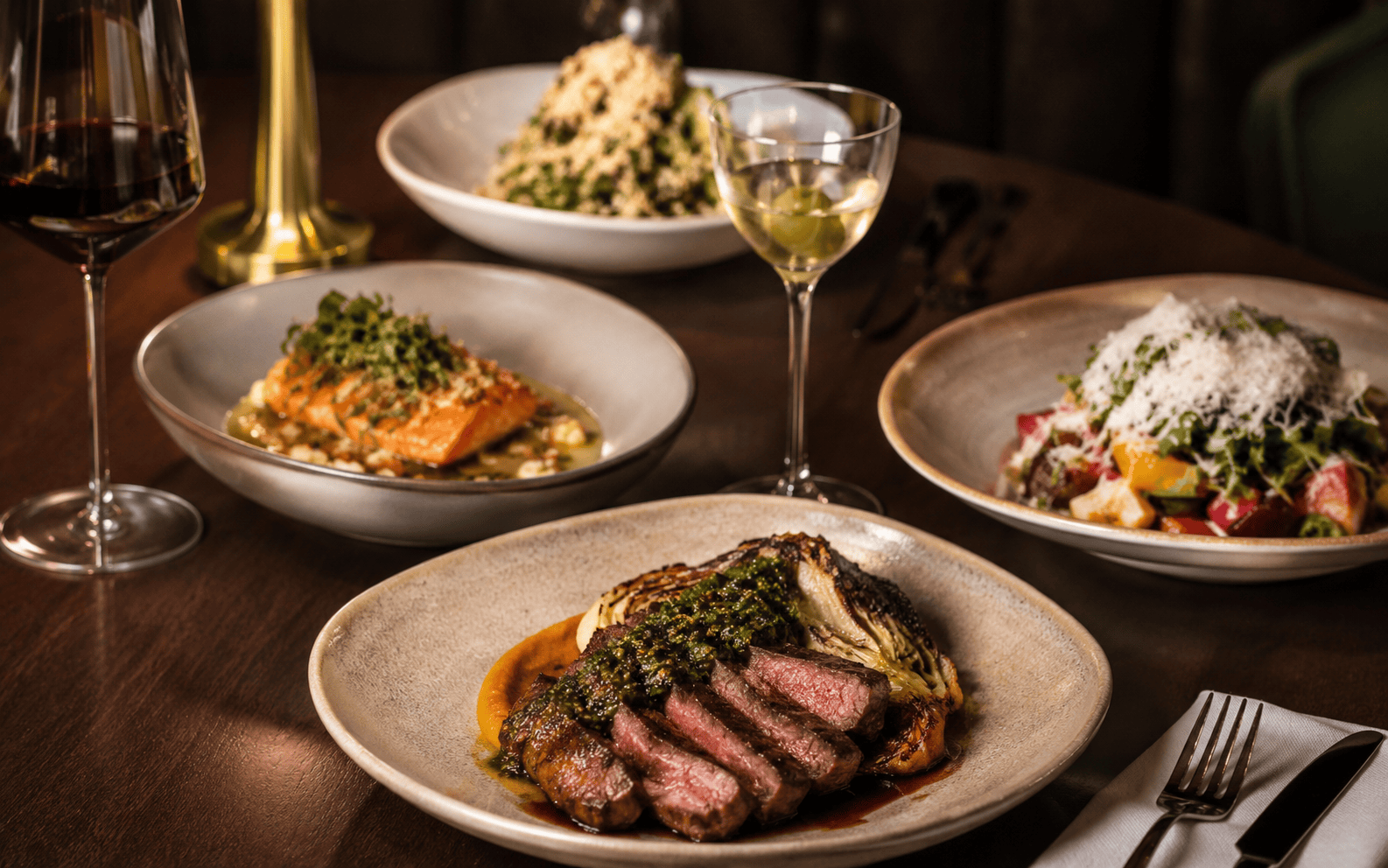
Food visuals are the starting point. Hero dish photography and short-form video showing texture, plating, and appetite appeal. This covers 30% to 40% of most successful Singapore restaurant feeds. Behind-the-scenes is where trust builds: market sourcing, prep sequences, kitchen culture, the story behind a dish. Chef or team personality is the differentiator that makes one restaurant feel distinct from another with a similar menu. Singapore diners follow people, not just places, and a recognizable face behind the brand creates the return-visit loyalty that food visuals alone don’t build.
Seasonal and occasion content captures the concentrated purchase intent of Singapore’s calendar: Chinese New Year set menus, Valentine’s Day specials, Christmas platters, the Ramadan Iftar menu if the concept is halal, the mid-autumn festival mooncake collaboration if you’re a cafe. These posts serve a different function from evergreen food content. They capture high-intent diners who are actively planning a specific dining occasion and give your brand a reason to appear at that exact moment of search and scroll.
Creative For More’s social media marketing services cover the full content strategy for Singapore F&B brands, from the Instagram Reels cadence through TikTok content development, UGC activation, and influencer seeding that builds the creator ecosystem around a restaurant launch or an existing brand’s growth. Our food and beverage marketing services sit at the intersection of brand strategy and performance marketing, which is where the most consistent foot traffic results come from. Our influencer marketing programs connect F&B brands with Singapore’s food creator community, the micro-influencers whose audiences are local, engaged, and actively looking for their next place to eat.
If your restaurant or F&B brand is ready to build a social media strategy that drives consistent foot traffic rather than occasional viral moments, the Creative For More team can help. Book a discovery call to explore how we can support your brand’s growth.
Read More
- How to Launch a Restaurant Brand in Singapore: A Marketing Playbook
- F&B Marketing in Singapore: Benchmarks, Channels, and What Actually Drives Foot Traffic
- Restaurant Social Media Strategy for Singapore F&B Brands
- F&B Marketing Agency Singapore: How Restaurants Win Attention and Revenue in 2026
- How to Create a Memorable F&B Brand in Singapore (2026 Edition)
- Singapore F&B Market Trends & Marketing Strategies: Complete Guide for Restaurant Growth
- TikTok to Table: How Singapore’s F&B Brands Are Winning Big with Social-First Marketing
- What’s Working Now: F&B Marketing Strategies That Singapore Brands Are Using to Stay Ahead
- F&B Marketing Tips: 7 Instagram Post Ideas That Actually Drive Sales
- The Playbook: Launching a New Restaurant in Singapore with an F&B Marketing Agency
- 8 Innovative Food & Beverage Marketing Strategies for Singapore’s F&B Scene
- The Impact of Emerging Technologies on F&B Marketing in Singapore
- Top 10 Restaurant Marketing Campaigns in Singapore: A Case Study Analysis
- How To Leverage AI in F&B Marketing: A Comprehensive Singapore Guide

Geraldine Pang
Creative For More
Geraldine Pang is the founder of Creative For More, a cross-border digital marketing agency with offices in Singapore, Tokyo, and New York. She specializes in brand strategy, market entry, and cross-border marketing across Southeast Asia, Japan, and the United States.