
Cultural Factors U.S. Brands Must Understand Before Marketing in Asia
Cultural Factors U.S. Brands Must Understand Before Marketing in Asia
A practical guide for American brands navigating culture, trust, and consumer behavior across Asia.
Asia offers massive growth potential for U.S. brands—but it is also one of the most culturally complex regions in the world. Many American companies struggle not because their product isn’t needed, but because their marketing fails to align with how Asian consumers think, decide, and build trust.
Before launching campaigns or entering new markets, U.S. brands must understand the cultural factors that shape consumer behavior in Asia. From relationship-building to festive seasonality, culture plays a central role in how brands are perceived and chosen.
1. Asia Is Not One Market: Diversity Is the First Cultural Reality
One of the biggest mistakes U.S. brands make is treating Asia as a single market. In reality, Asia is a collection of highly diverse countries, each with its own languages, religions, social norms, and digital behaviors.
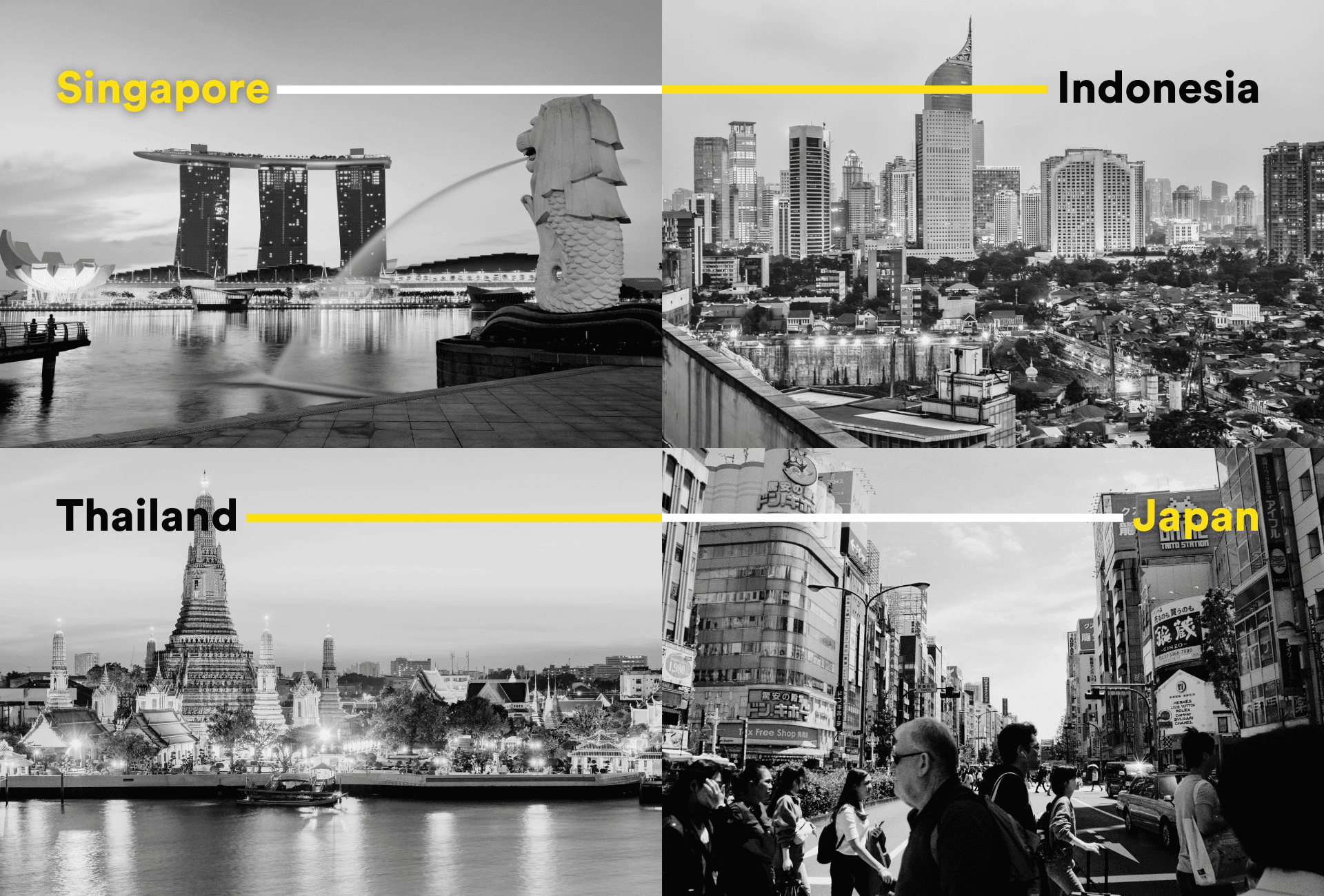
For example:
- Singapore is global, efficiency-driven, and highly brand-aware
- Indonesia is community-oriented, social-first, and youth-led
- Thailand embraces emotional storytelling and expressive creativity
- Japan values precision, respect, and long-term trust
- A message that works in one country can easily fail—or offend—in another.
What this means for U.S. brands:
Successful marketing in Asia requires country-specific strategies, not regional assumptions.
2. Relationship-Building and Trust Signals Drive Buying Decisions
In many Asian cultures, trust often matters more than speed, price, or short-term promotions. Unlike in the U.S., where consumers may transact quickly with unfamiliar brands, Asian consumers typically seek reassurance before making a purchase. Familiarity, credibility, social proof, and a sense of long-term brand presence all play a significant role in decision-making.
Trust is built through visible signals such as influencer and creator endorsements, authentic community engagement, positive reviews, and consistent brand storytelling over time. A strong presence on trusted local platforms also reinforces legitimacy. This is why influencer marketing, social commerce, and messaging-based engagement are so effective across Asia.
For U.S. brands:
Marketing should prioritize relationship-building, not aggressive conversion tactics.
3. Festive Seasonality Plays a Major Role in Asian Marketing
Festive and cultural calendars strongly influence purchasing behavior across Asia. Campaigns that align with local celebrations often outperform standard evergreen messaging.
Key festive moments include:
Lunar New Year
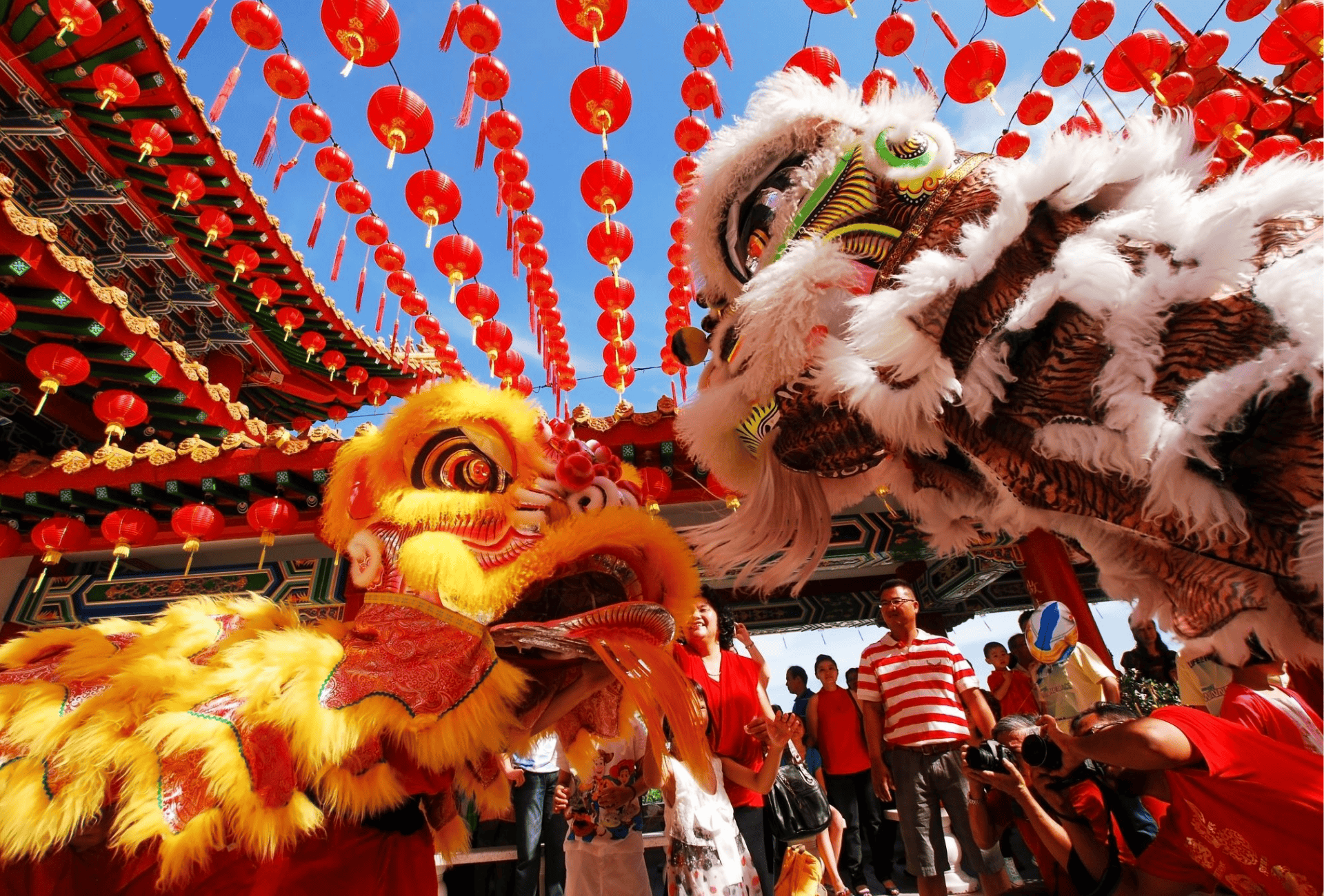
- Celebrated across multiple Asian markets
- Associated with renewal, prosperity, and gifting
- Strong performance for family-oriented and premium brands
Ramadan & Hari Raya
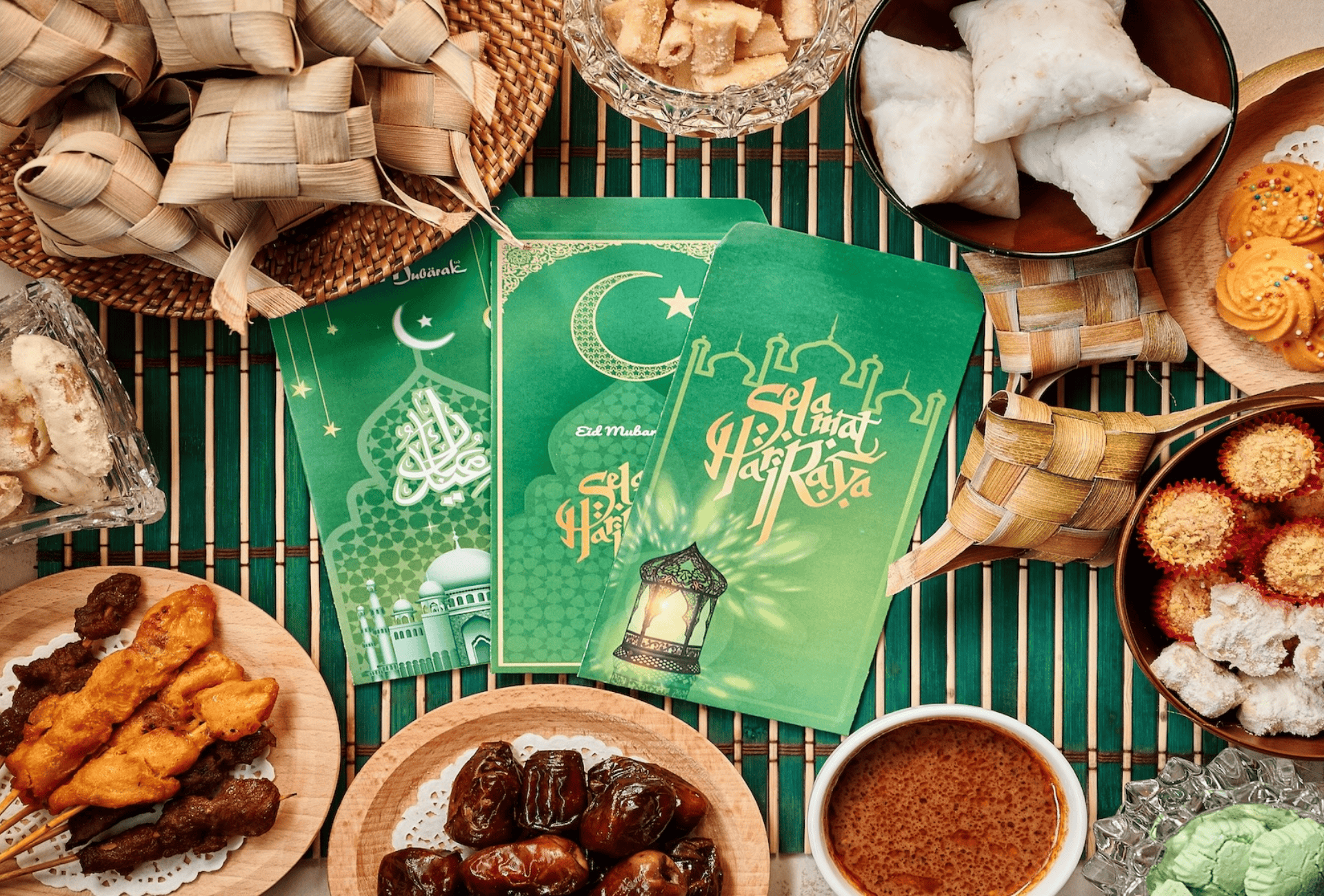
- Significant in Muslim-majority countries like Indonesia and Malaysia
- Buying peaks before Hari Raya
- Messaging focuses on togetherness, generosity, and reflection
11.11, 12.12 & Mega Sales

- Major regional e-commerce events
- Driven by platforms like Shopee, Lazada, and TikTok Shop
- Heavy reliance on promotions, creators, and livestream commerce
Why this matters:
Ignoring festive seasonality can make your brand feel disconnected from local culture. Successful brands plan campaigns around cultural moments, not just fiscal calendars.
4. Community and Family-Driven Buying Patterns Shape Demand
In many Asian cultures, purchasing decisions are rarely made in isolation. Consumers are strongly influenced by family members, friends, peer groups, online communities, and social media creators. This collective approach to decision-making leads to a higher reliance on recommendations, stronger word-of-mouth effects, and more group-driven purchasing behavior.
Parents often influence major household purchases, while beauty, fashion, and lifestyle products spread rapidly through creator communities. Messaging apps frequently double as recommendation channels and group-buying platforms, further reinforcing social influence.
For U.S. brands:
Campaigns should appeal to shared values and collective benefits, not just individual gain.
5. Why On-the-Ground Expertise Matters in Asia
Cultural nuance is difficult to understand from afar. Many mistakes happen when U.S. brands attempt to manage Asian marketing solely from headquarters.
This is where Creative For More’s on-the-ground teams make a difference.
Why local presence matters:
- Cultural context changes quickly
- Platform behaviors evolve differently by country
- Trends and sensitivities vary in real time
- What works today may not work next month
Creative For More’s cross-border advantage
- Singapore HQ: Deep expertise across Southeast Asia
- Tokyo Office: Cultural fluency for Japan and Northeast Asia
- U.S. presence (NYC): Strategic alignment with U.S. founders and teams
We don’t apply U.S. playbooks to Asia. We build strategies grounded in local culture, behavior, and insight.
6. How U.S. Brands Can Market in Asia with Cultural Confidence
To succeed in Asia, U.S. brands should:
- Respect cultural diversity and avoid assumptions
- Build trust before driving sales
- Plan around festive and cultural calendars
- Embrace community-driven influence
- Localize messaging and visuals
- Partner with teams who understand the region firsthand
Culture isn’t a barrier—it’s a roadmap.
Conclusion: Cultural Understanding Is the Foundation of Success in Asia
Marketing in Asia is not about being louder or faster—it’s about being relevant, respectful, and trusted.
U.S. brands that win in Asia are those that:
- Understand local values
- Build relationships over time
- Align with cultural moments
- Work with experienced local partners
Creative For More U.S.A. helps American brands navigate Asia’s cultural complexity with clarity and confidence—bridging U.S. strategy with on-the-ground execution in Singapore and Tokyo.
If Asia is your next growth market, cultural understanding should be your first strategic investment. Book a discovery call to learn more today.
Further Reading
Explore more guides for U.S. brands expanding into Asia:
- How to Localize Your Brand for Asian Audiences: A U.S. Founder’s Guide
- The Most Effective Social Media Platforms for Brand Marketing in Asia
- Top E-Commerce Channels in Southeast Asia for U.S. Brands
- How Western Brands Successfully Adapt Their Marketing for Asian Audiences
- Cultural Factors U.S. Brands Must Understand Before Marketing in Asia
- Influencer Marketing in Asia: The Complete Guide for U.S. Brands
- Common Mistakes U.S. Companies Make When Launching in Asia
- How to Build a Marketing Budget for Your Asia Expansion
- How to Choose a Brand Marketing Agency for Asia Expansion
- Asia vs. U.S. Marketing: Key Differences Every Startup Should Know
- What U.S. Founders Misunderstand About Southeast Asia
- The Rise of TikTok Shop in Southeast Asia: What U.S. Brands Should Prepare For
- How to Validate Product-Market Fit in Southeast Asia Before You Launch
- A Guide to Cross-Border Brand Localization for Global Growth
- How to Launch in Asia Without a Local Team

Geraldine Pang
Creative For More
Geraldine Pang is the founder of Creative For More, a cross-border digital marketing agency with offices in Singapore, Tokyo, and New York. She specializes in brand strategy, market entry, and cross-border marketing across Southeast Asia, Japan, and the United States.