

Hospitality Marketing in Singapore: From Positioning to Bookings
Hospitality Marketing in Singapore: From Positioning to Bookings
Singapore’s hospitality market is one of the most competitive in Asia. The city recorded 16.5 million international visitor arrivals in 2024, according to the Singapore Tourism Board, and its hotel landscape runs from globally branded luxury towers on Orchard Road to independently positioned boutique properties in Tiong Bahru and Joo Chiat. The demand is genuine and sustained. The competition for that demand, across online travel agencies, direct channels, and the social media feeds of millions of potential guests, is equally genuine and equally sustained.

The hospitality properties that build strong occupancy and revenue per available room over time do not win by out-spending competitors on OTA bids. They win by doing three things consistently well: positioning the property with enough specificity that the right guest self-selects, building a direct channel that converts OTA discovery into brand-owned relationships, and creating a loyalty and retention system that makes the second stay as commercially natural as the first.
This article covers the full marketing journey for a Singapore hospitality property: from brand positioning through direct booking strategy, OTA management, and loyalty program design.
Why Does Brand Positioning Matter More Than Most Singapore Hotel Teams Realize?
Hotel positioning in Singapore is the decision that determines every subsequent marketing investment’s efficiency. A property that knows precisely who its target guest is, what that guest values, and why this property serves that value better than the alternatives can build marketing that converts at every stage of the funnel. A property that describes itself in the same general terms as every other Singapore hotel, comfortable rooms, convenient location, excellent service, is competing on undifferentiated attributes in a market with hundreds of alternatives that make identical claims.
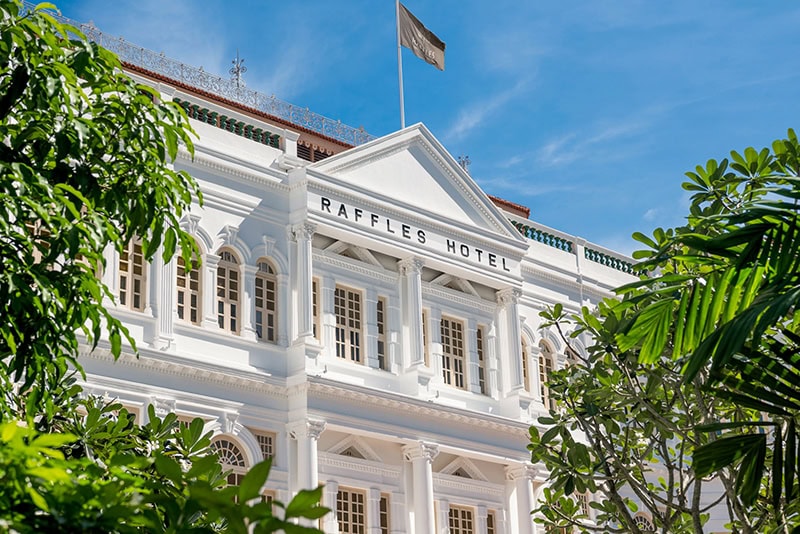
Raffles Hotel in Singapore
The positioning question is not “what kind of hotel are we?” It is “who is the specific guest who would choose us over every other option in Singapore, and what is the specific reason they would make that choice?” A boutique property in Joo Chiat that genuinely serves the design-conscious leisure traveler who wants a neighbourhood experience over a generic CBD hotel has a positioning with enough specificity to build marketing around. A property that tries to appeal equally to business travelers, leisure couples, and family tourists has a positioning that serves all of them inadequately because nothing in its marketing is specific enough to earn the strong preference of any of them.
Singapore’s hospitality competitive landscape makes positioning specificity increasingly commercially necessary. Marketing Agency Singapore’s 2026 hospitality marketing guide notes that Singapore hotel marketing requires understanding that guests increasingly book based on experience rather than just location and price. Experience-led positioning, the property that commits to a specific experiential identity, attracts guests who are actively seeking that experience and who are less price-sensitive and more loyal than guests who booked primarily on rate.
The positioning work that most Singapore hotel marketing teams skip is the competitive analysis that identifies where the positioning whitespace actually is. Reviewing how every comparable Singapore property describes and differentiates itself reveals the language and claims that are saturated in the market and the territory that is genuinely unoccupied. The hotel that occupies that unoccupied territory with genuine product authenticity behind it does not need to spend more on marketing than its competitors. It needs to spend more clearly.
How Should a Singapore Hotel Balance OTAs and Direct Channels?
Online travel agencies dominate Singapore hotel bookings, particularly for international leisure travelers. Booking.com, Agoda, Expedia, and Trip.com collectively account for a significant share of room nights sold in Singapore, with commission fees typically running 15% to 25% of the room rate, according to Marketing Agency Singapore’s hospitality guide. Ignoring OTAs is not a viable strategy for any Singapore property that depends on international visitors. Accepting OTA dependency as permanent is equally untenable given what those commission fees do to revenue per available room over time.
The financially rational approach is using OTAs for discovery and direct channels for relationship ownership. According to research from Thrivin Digital’s cost analysis of direct versus OTA bookings, direct bookings are approximately 9% more profitable than OTA bookings before ancillary revenue and materially more profitable when the lifetime value of a direct guest relationship is included. Direct bookings also produce significantly lower cancellation rates: D-EDGE’s 2024 data shows Booking.com cancellation rates at 37.2% in markets where they track this, compared to approximately 18% for direct bookings. A guest who books directly is twice as likely to arrive as a guest who booked through an OTA.
The industry benchmark for well-managed hotels is a 40% to 60% direct booking ratio over time, according to Marketing Agency Singapore. Most Singapore properties are operating well below that ratio, particularly those without a systematic direct channel investment program. The path from OTA dependency to a healthy direct ratio is not achieved by reducing OTA presence. It is achieved by building direct channel capability until the direct channel consistently wins the guests who have already discovered the property through OTA search.
The billboard effect, documented in Cornell University research, is the commercial mechanism that makes this strategy viable. Studies suggest that up to 65% of travelers who discover a hotel on an OTA visit the hotel’s own website before making a reservation, according to ZUZU Hospitality’s direct booking strategy analysis. This means OTA listing quality and OTA review performance are investments in the brand’s own direct channel as much as they are investments in OTA conversion, because the guest who discovers the property on Booking.com and then finds the brand website, reads the brand story, and books directly through the hotel has been acquired by the OTA’s marketing at no commission cost to the hotel.
What Makes an OTA Listing Work Harder for Singapore Properties?
A hotel’s OTA listing is not simply a booking page. It is the most visited piece of marketing content the property produces, consumed by tens of thousands of potential guests who are actively comparing options. Treating it as an operational necessity rather than a marketing asset leaves significant revenue on the table.
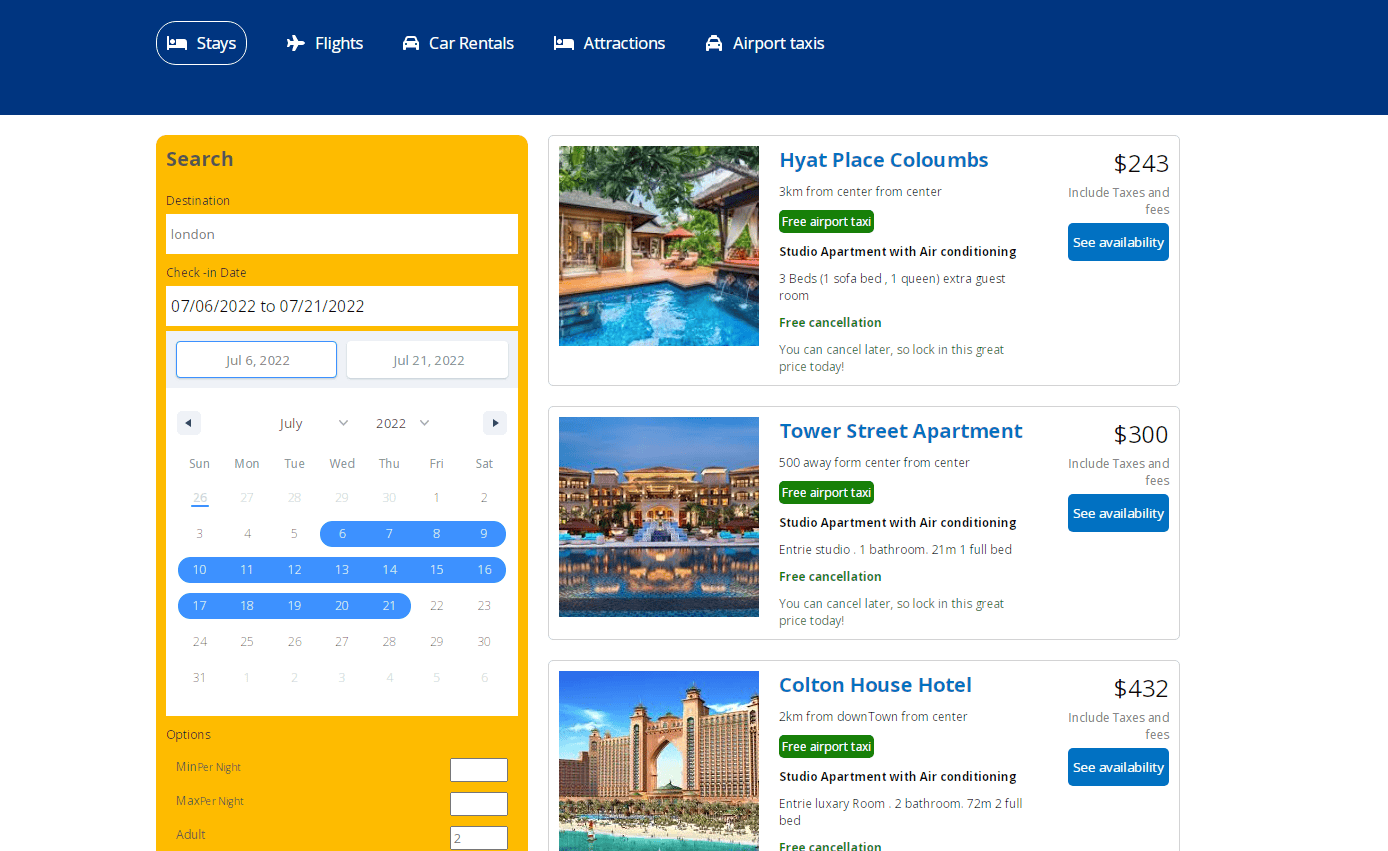
The OTA listing optimization that produces the most measurable return covers four areas. Photography is the first and most impactful. The sequence and quality of images on a Booking.com or Agoda listing determines whether a potential guest engages deeply with the property or scrolls past it. Professional photography that shows the property at its most compelling, starting with the highest-appeal visual the property can offer rather than the room most frequently booked, creates the first impression that makes the guest explore further. Properties that invest in listing photography consistently rather than using legacy photography from the property’s initial listing see measurable improvements in click-through rate from search results.
Review management is the second area. Research from Thrivin Digital citing industry data confirms that 93% of travelers read reviews before booking. OTA algorithms factor review scores and response rates into search placement. A Singapore property that responds to every review within 24 hours, regardless of whether it is positive or negative, signals operational attentiveness that the algorithm rewards with higher placement and the prospective guest rewards with higher consideration. Responding to a negative review thoughtfully and specifically is more commercially valuable than leaving a positive review unanswered.
Rate strategy and promotional mechanics are the third area. Agoda’s Secret Deal and Booking.com’s Genius program both offer visibility boosts that do not require undermining the base rate structure. Using these promotional mechanics strategically, during periods where occupancy data shows consistent softness, generates incremental demand without the margin erosion of a blanket discount strategy. According to Marketing Agency Singapore, maintaining rate parity across OTAs while running platform-specific promotions strategically allows a property to increase OTA visibility without triggering parity violations that damage the direct channel.
Content freshness is the fourth area. An OTA listing whose content has not been updated in twelve months is signaling to both the algorithm and the potential guest that the property is not actively managing its commercial presence. Quarterly content reviews, adding seasonal highlights, updating amenity information, and refreshing the property description to reflect any improvements or additions, maintain the listing’s relevance in a competitive search environment.
How Do You Build a Direct Booking Strategy That Actually Works?
A direct booking strategy is not a website. It is a system of interconnected investments that together make the property’s own channel more compelling than the OTA alternative for a guest who has already expressed interest in the property.
The direct channel’s primary competitive advantage over OTAs is value-add, not price. Rate parity requirements prevent most Singapore properties from offering a lower published rate on their direct channel than on OTAs. What is permitted, and what consistently drives direct booking preference, is the addition of value that the OTA cannot offer: guaranteed room category, complimentary breakfast, room upgrade priority, late checkout, welcome amenity, or loyalty points for direct bookers. These additions make the direct channel’s total value proposition superior without violating rate parity on the room rate itself.
The website is the foundation of the direct channel, and most Singapore hotel websites underperform their traffic. According to Teacode’s OTA dependence analysis, citing a Countrywide Hotels case study published in Hospitality Net 2025, simple website notification tools including targeted promotions, real-time price comparison widgets, exit pop-ups with email capture, and saved search notifications generated 65% of website bookings during a trial period. These are not expensive technology investments. They are conversion optimization tools that capture the intent of visitors who arrived with genuine interest in the property and leave without booking because the path to booking was insufficiently compelling.
Email capture from every guest interaction, including OTA guests at check-in, is the operational lever that most Singapore properties underuse. A guest who arrives through Booking.com and whose email address is captured at check-in becomes a first-party contact the property can market to directly for future stays. According to Teacode’s analysis, this single operational change turns commission-heavy OTA guests into near-zero-cost repeat bookers. The email collected at check-in, followed by a post-stay communication, a direct booking incentive for the next stay, and a periodic offer tied to the property’s specific positioning and the guest’s demonstrated preferences, is the direct marketing channel that compounds in value over time without recurring acquisition cost.

Google Hotel Ads is the paid channel that produces the most efficient direct booking traffic for most Singapore properties. Unlike OTA bidding where the hotel pays for visibility on another brand’s platform, Google Hotel Ads drives traffic directly to the hotel’s booking engine while appearing in the search results alongside OTA listings. SiteMinder’s 2025 data indicates direct booking revenue up to 60% higher when Google Hotel Ads is properly integrated with a hotel’s booking system. The search intent of a traveler searching for a specific Singapore hotel on Google is already highly qualified, making the cost per direct booking through this channel significantly lower than the OTA commission on equivalent business.
What Loyalty Program Fundamentals Apply to Singapore Hospitality?
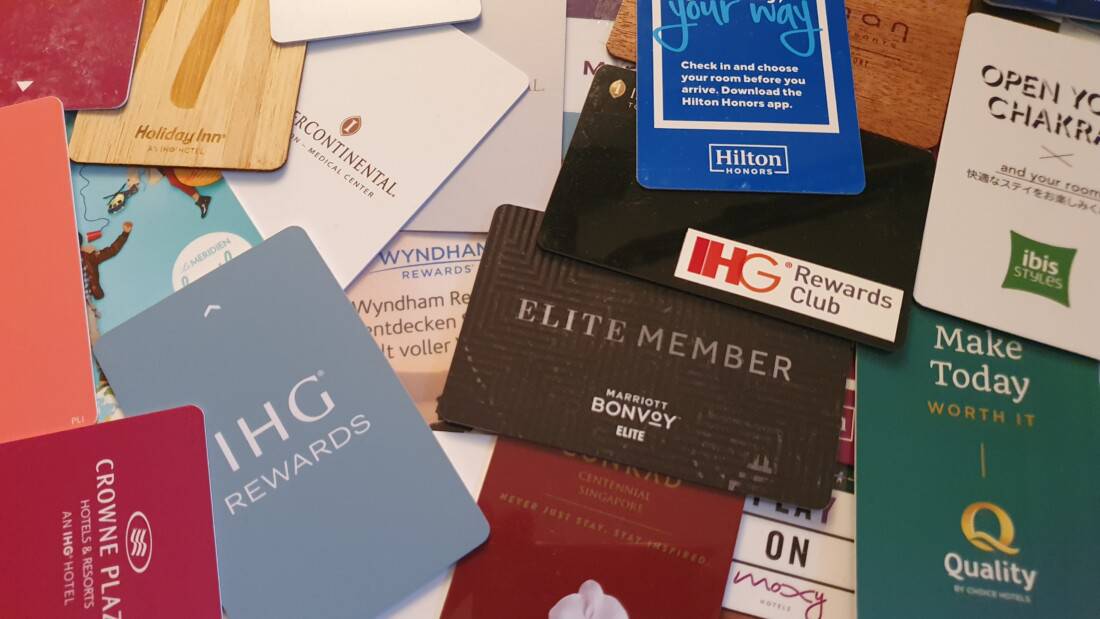
Loyalty programs are the hospitality marketing investment with the most sustained and compounding return. According to Punch Hospitality’s loyalty program analysis, hotel loyalty program revenues rose 8.3% to USD 1.2 billion across major hotel groups in 2024. Loyalty members are 70% more likely to choose the same hotel brand over competitors, contribute between 30% and 60% of total hotel revenue across the industry, spend 22.4% more per stay, and stay 28% longer than non-members. A 5% increase in customer retention can boost profits by 25% to 95%, according to Punch Hospitality citing industry research.
Hotel loyalty program membership reached 675 million globally in 2024, growing more than twice as fast as hotel room supply, according to Punch Hospitality. In 2024, loyalty members accounted for 52.8% of occupied rooms across major global hotel chains. The shift in how guests book hotels, with loyalty programs increasingly at the center of booking behavior, is structural rather than cyclical.
For Singapore properties that are not part of a major international chain with an established loyalty program, building a property-level or group-level loyalty program is the most commercially significant marketing investment available. The program does not require the technology complexity of a Marriott Bonvoy or a Hilton Honors to be effective. It requires three functional elements: a reason to join, a reason to return, and a reason to book direct.
The reason to join is an immediate, tangible benefit at enrollment: a welcome discount, a room upgrade on the first enrolled stay, or a complimentary amenity that has genuine perceived value. The friction of enrollment must be minimal. A guest who is asked for eight fields of information to join a hotel loyalty program will not complete the enrollment. A guest who is asked for a name and email in exchange for an immediate benefit will.
The reason to return is the accumulation mechanic: points toward a free night, a tiered status with visible benefits at each level, or a straightforward nights-toward-benefit system that gives the guest a clear and credible reason to choose this property over a new alternative for their next Singapore stay. According to Social Czars’ hotel direct booking strategy analysis, tiered rewards that create a game-like experience with escalating benefits encourage repeat stays. Exclusive member rates that offer non-public prices to loyalty members provide better deals without violating rate parity. Personalized offers based on previous stay data, such as a spa discount for a guest who used the spa on a previous visit, demonstrate the data use that makes loyalty programs feel genuinely personal rather than generic.
The reason to book direct is the most commercially critical element. According to Skift Research’s Future of Hotel Loyalty report, the most effective loyalty programs create a compelling reason to bypass third-party sites entirely. The mechanics that deliver this are member-exclusive rates that are better than OTA rates in total value terms, guaranteed benefits on direct bookings that are not available through OTAs, and the accumulation of points or nights that the OTA channel cannot capture. A guest who understands that booking direct earns her points toward a free night while booking through Agoda earns her nothing has a clear economic reason to prefer the direct channel.
Singapore’s specific guest mix requires some loyalty program customization that generic international program designs do not account for. The significant Chinese tourist segment values the Xiaohongshu-visible reputation signal of program membership and the WeChat or Alipay-integrated experience that major Chinese brands have conditioned them to expect. Corporate travelers, who represent a meaningful share of Singapore’s hotel demand in a business hub that attracts significant MICE activity, prioritize points accumulation speed, business account invoicing simplicity, and consistent room type allocation over the experiential perks that leisure loyalty programs typically lead with. A loyalty program designed without these segment-specific considerations will underperform against the full potential of Singapore’s guest mix.
What Does Social Media and Content Marketing Look Like for Singapore Hospitality?
Singapore’s social media penetration exceeds 85% of the total population, according to Marketing Agency Singapore, making social platforms the most accessible and most consumed media environment in the country. For Singapore hospitality properties, this means social media is not supplementary to the marketing strategy. It is the primary channel through which potential guests discover, evaluate, and form booking intent for accommodation and dining experiences.

Our Social Media Work for Noku Maldives
Instagram remains the most important platform for Singapore hospitality marketing. The visual nature of hospitality, spaces, food, experiences, and the moments they create, maps directly to Instagram’s content format and user expectation. A Singapore hotel or restaurant that maintains an Instagram presence with consistently high-quality photography, a coherent visual identity that communicates the property’s positioning, and active community engagement is using the platform as both a discovery tool for new guests and a retention tool for past guests who follow the property’s account.
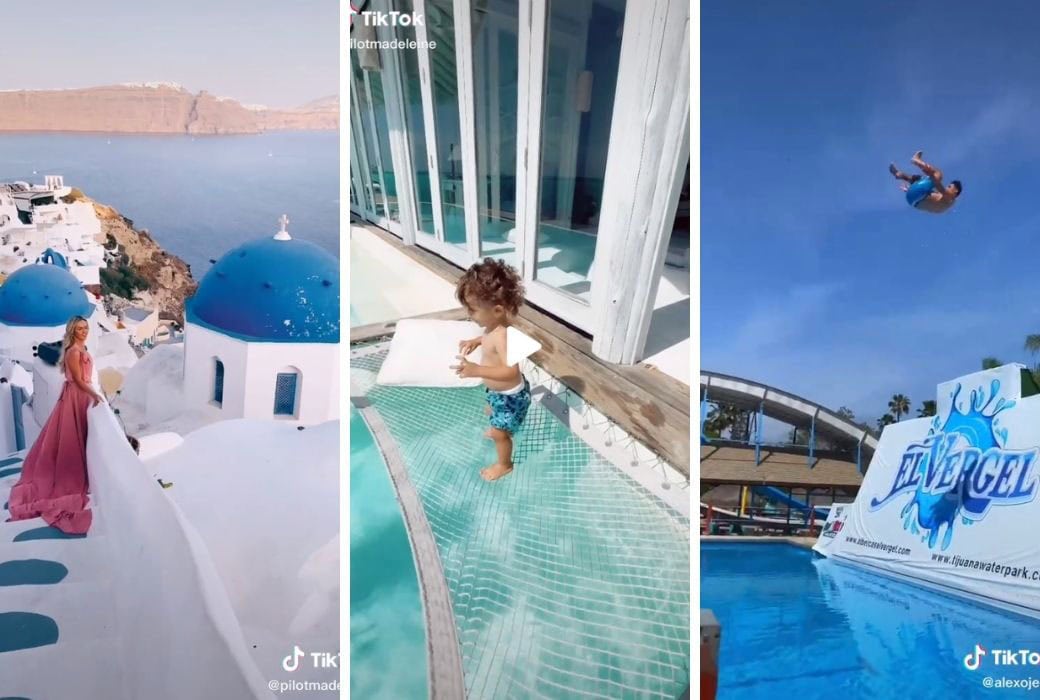
TikTok is the fastest-growing discovery channel for hospitality in Singapore, particularly for reaching guests under 40. Short-form video that shows the property’s character, its F&B experiences, its service standards, and its location context reaches a broader and younger audience than Instagram’s algorithm typically extends to. In August 2025, TikTok launched an in-app hotel booking feature through Booking.com, allowing users to reserve stays without leaving the app, according to Hospitality Net’s OTA trend analysis. The integration of discovery and booking in a single platform makes TikTok content investment increasingly commercially direct rather than purely a brand-awareness play.
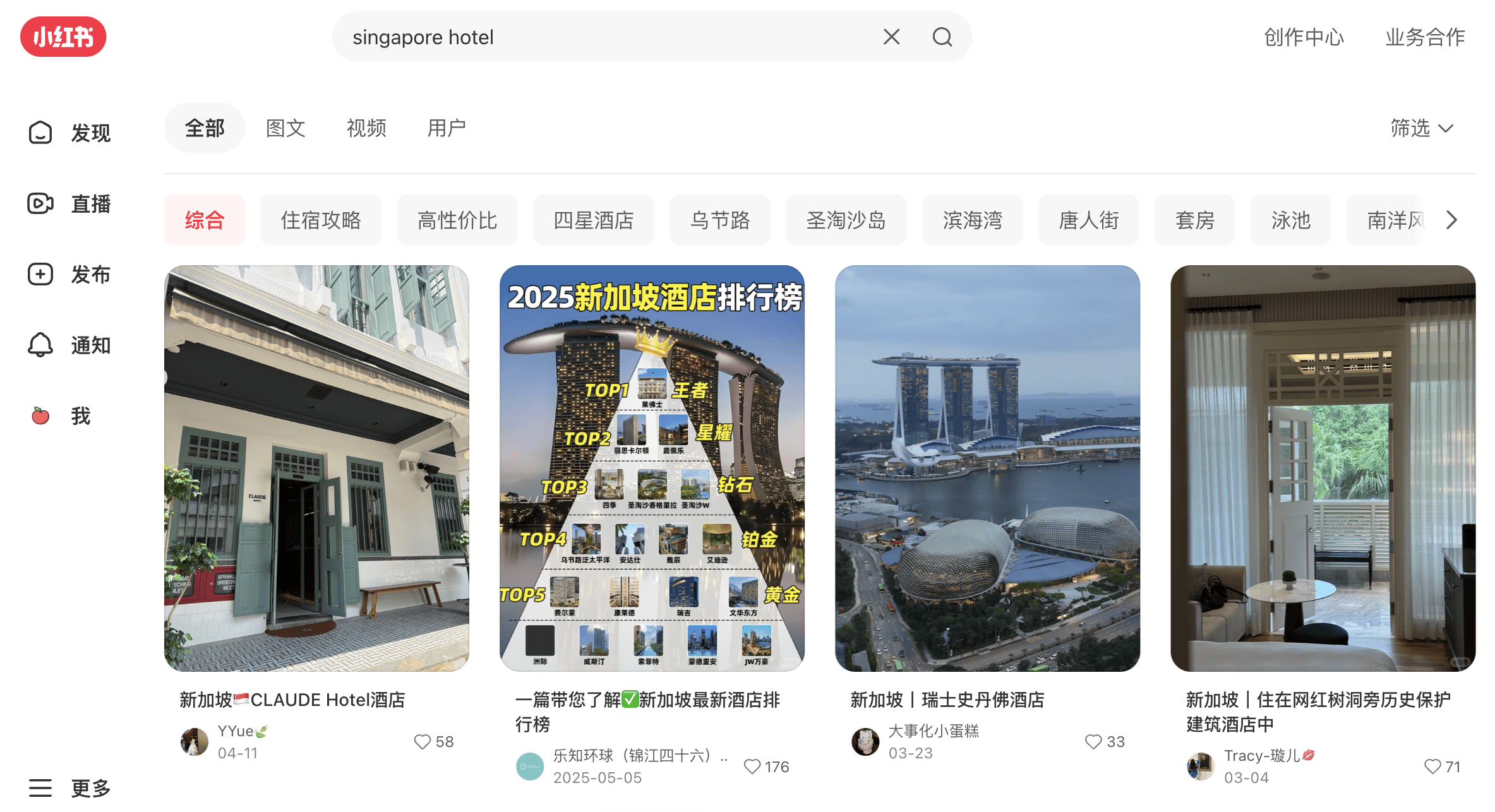
Xiaohongshu is non-negotiable for Singapore properties targeting Chinese travelers. The platform’s review-first content culture, where users post detailed assessments of dining, accommodation, and experience quality, functions as the primary trust-building channel for Chinese-speaking guests who are making pre-arrival decisions. A Singapore hotel with a curated Xiaohongshu presence, regular seeding of genuine guest reviews, and active Chinese-language content, reaches the Chinese tourist segment at the decision-making stage in the platform they trust most for travel evaluation.
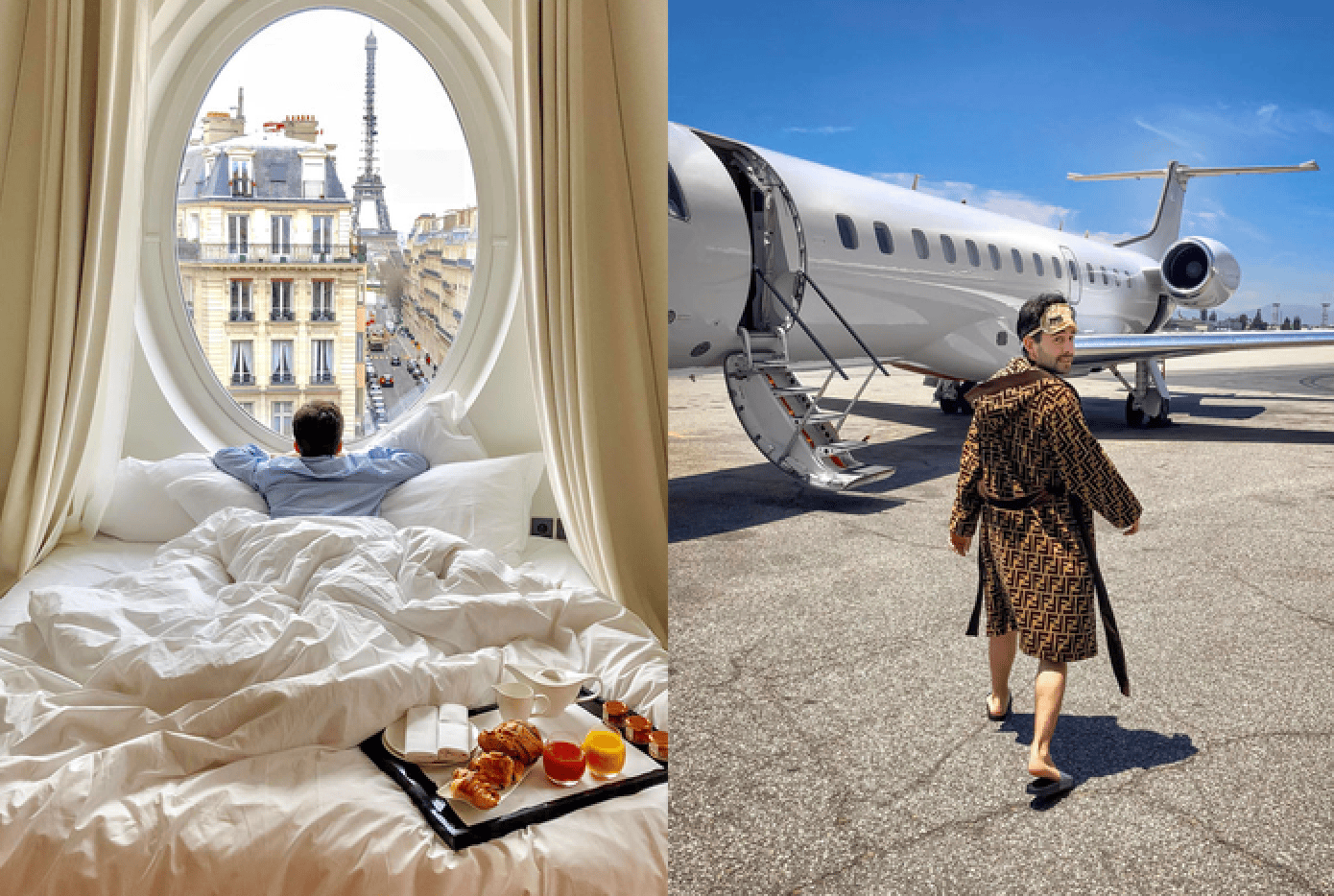
Influencer and creator partnerships for Singapore hospitality require the same creator selection discipline that applies in any other category: category expertise, audience demographic match, and genuine engagement quality over follower volume. A food creator with 30,000 engaged Singapore-based followers who regularly reviews the specific type of dining experience a property’s restaurant offers is a more valuable partner than a travel macro-influencer with 300,000 followers whose audience is globally distributed and categorically unfocused. The goal is reaching the specific guest profile who would actually book, not maximizing impressions from a broadly defined audience.
Creative For More’s hospitality marketing services cover the brand positioning, social media management, and influencer partnerships that Singapore hotels, restaurants, and hospitality properties need to build occupancy and direct booking ratios. Our social media marketing programs produce the content and creator ecosystem that turns social discovery into booking intent, and our influencer marketing services connect Singapore hospitality properties with the right creator voices for their specific guest profile. Our work with Kimpton demonstrates how brand-specific positioning and targeted social campaigns translate into measurable occupancy and direct booking outcomes in Singapore’s competitive hotel market.
If your Singapore hospitality property is looking for a strategic marketing partner to build your positioning, direct booking program, and social media presence, the Creative For More team can help. Book a discovery call to explore how we can support your property’s growth.
Read More
- Hospitality Marketing in Singapore: From Positioning to Bookings
- Hotel Marketing in Asia: Channels, Benchmarks, and What Drives Direct Bookings
- How Boutique Hotels Can Compete with Chains Through Brand Marketing
- Wellness Resort Marketing: Positioning Strategies for Asian Markets
- Hospitality Social Media: What Works for Hotels and Resorts in Asia

Geraldine Pang
Creative For More
Geraldine Pang is the founder of Creative For More, a cross-border digital marketing agency with offices in Singapore, Tokyo, and New York. She specializes in brand strategy, market entry, and cross-border marketing across Southeast Asia, Japan, and the United States.